
How to Pair Appetizers, Curries, Rice and Bread for the Perfect Meal
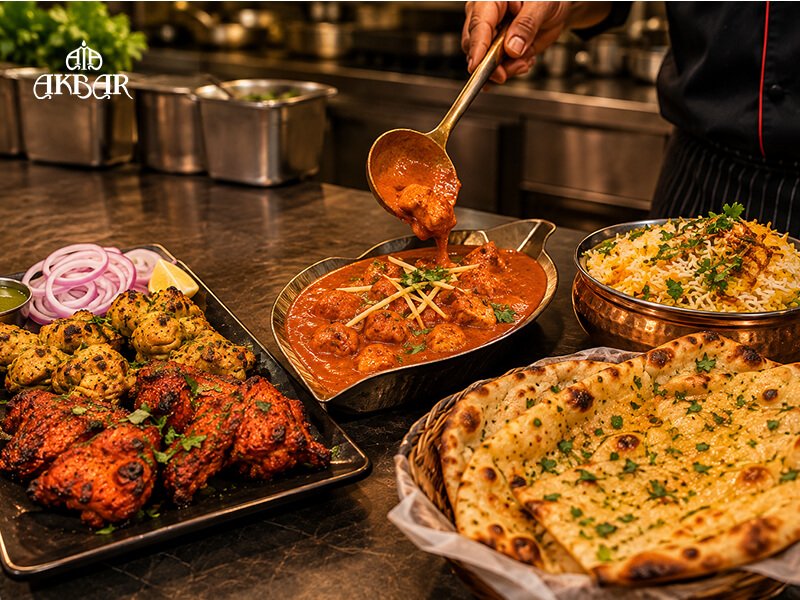
A great Indian meal is not just about ordering a few dishes you like. The real pleasure comes from knowing how different flavors, textures, and spices work together. A crisp appetizer can prepare your palate for a rich curry, while the right rice or bread can make that curry taste even better. If you have ever wondered what to eat with curry, what to serve with curry, or which bread and rice work best with a particular dish, a little thought can turn an ordinary dinner into a complete Indian dining experience. Start With the Appetizers Appetizers are the first introduction to the meal, so they should add flavor without making you too full before the main dishes arrive. For a rich and flavorful meal, lighter starters can create a nice contrast. Vegetable samosas, for example, bring a crisp texture and warm spices, while tandoori vegetables offer a smoky flavor. If you enjoy meat, tandoori chicken or seekh kebab can add a deeper, grilled taste to the beginning of your meal. When planning Indian food combinations, think about variety. If your main course is creamy and mild, a spiced or tangy appetizer can add some excitement. If your curry is already hot and heavily spiced, choose something simpler to keep the meal balanced. Choose Curries With Different Flavor Profiles The curry is often the centerpiece of an Indian meal, and choosing complementary dishes makes a big difference. You do not necessarily need several curries. Two curries with contrasting flavors can be more enjoyable than three or four dishes that taste similar. For example, a creamy chicken curry can be paired with a vegetable-based dish for a lighter contrast. A spicy curry can work beautifully alongside a milder, creamy preparation. Vegetarian curries can also add freshness and variety to a table filled with richer meat dishes. This is where understanding what goes well with curry becomes useful. Look for differences in richness, spice, texture, and ingredients rather than simply ordering more of the same type of dish. What to Serve With Curry Once you have selected your curry, the next question is what to serve alongside it. Rice and bread both work wonderfully, but they offer very different experiences. Rice allows the curry to coat each grain, while bread lets you scoop up the sauce and enjoy its texture along with the curry. For a traditional Indian meal, you can choose one rice preparation and one bread. This gives you two different ways to enjoy the same curry without making the meal feel repetitive. If you are looking for the best side dishes for curry, consider adding a vegetable preparation, dal, raita, or a fresh salad. These additions can bring contrasting textures and flavors to the plate. Finding the Best Rice for Curry Rice is one of the simplest ways to complement a curry, but the type of rice can change the entire experience. Basmati rice is a popular choice because of its delicate aroma and long, fluffy grains. Fragrant rice preparations can pair particularly well with flavorful curries because they add another layer of aroma without overpowering the main dish. For rice and curry combinations, consider the intensity of the curry. A strongly spiced curry may work well with a relatively simple rice preparation, while a milder curry can be paired with a more aromatic rice dish. The goal is balance. The rice should support the curry rather than compete with it. Choosing the Best Bread for Curry Indian breads bring an entirely different texture to a meal. They are especially enjoyable with curries that have rich, flavorful sauces. Naan is a classic choice, particularly when you want something soft and slightly chewy to enjoy with a creamy or richly spiced curry. Naan with curry is a combination that works naturally because the bread helps scoop up the sauce while adding its own subtle flavor. Other breads can offer different textures and flavors, so your choice can depend on the curry and your personal preference. When deciding on the best bread for curry, consider the sauce. Rich, thick gravies are especially enjoyable with soft breads, while lighter curries can be paired with breads that have a slightly different texture. Add a Fresh or Cooling Side A complete Indian meal does not have to be heavy from beginning to end. Fresh and cooling sides can provide a welcome contrast to spicy or rich dishes. Raita, for example, can bring a cool and creamy element to the table. A fresh salad or vegetable side can provide crunch and freshness between bites of curry and rice. These are simple curry side dishes, but they can make the overall meal feel much more balanced. Build Your Plate Around Contrast One of the easiest ways to create satisfying Indian food pairings is to think about contrast. Try combining: A crisp appetizer with a creamy curry A spicy curry with a mild side A rich curry with fragrant rice A saucy curry with soft naan A hearty main course with a fresh or cooling side You do not need every possible dish on the table. A few thoughtfully selected dishes can create much better Indian food combinations than an overloaded order. A Simple Formula for a Well-Balanced Indian Meal If you are ordering for a group and want to keep things simple, start with one or two appetizers. Add two contrasting main dishes, then choose rice and bread based on the curries you have selected. For example, you could build a meal around a grilled appetizer, one creamy curry, one spiced vegetable or meat curry, fragrant basmati rice, and naan. Add a cooling side or fresh salad, and you have a meal with plenty of variety in flavor and texture. This approach also makes ordering easier when dining with family or friends because everyone gets something different to enjoy. Enjoy the Meal Your Way There is no single correct way to create an Indian meal. Regional cuisines, family traditions, personal preferences, and even the occasion
Signature Dishes Every First Time Guest Should Try
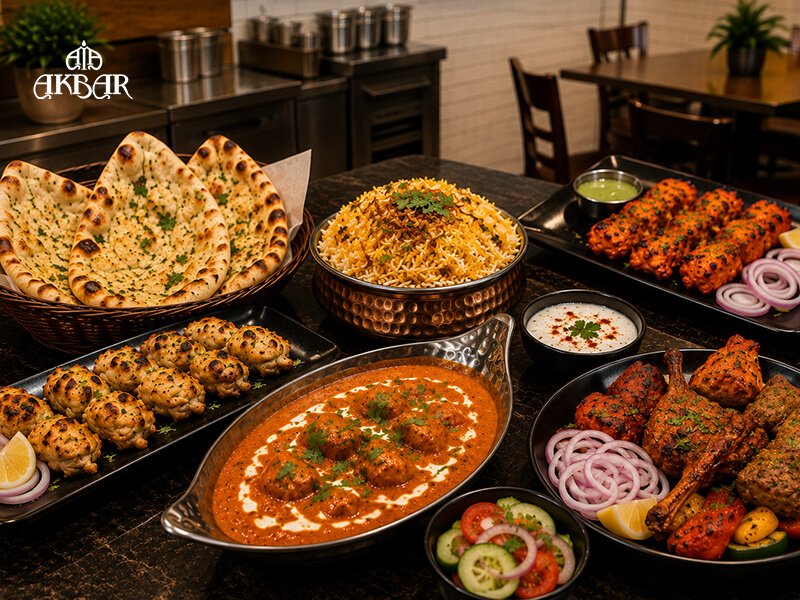
Walking into an Indian restaurant for the first time can be exciting, but the menu can also feel a little overwhelming. There are curries, tandoori dishes, biryanis, breads, vegetarian specialties, desserts and plenty of unfamiliar names. With so many choices, the obvious question is: where should you start? The good news is that you do not need to know every Indian dish before sitting down for your first meal. A well-chosen combination of familiar textures, aromatic spices and different cooking styles can give you a wonderful introduction to Indian cuisine. If you are looking for the best Indian dishes to try, these are some of the dishes worth putting on your list, especially when you are visiting an Indian restaurant for the first time. Start With a Little Something Crispy A good Indian meal often begins with an appetizer, and this is where you can have some fun with different textures and flavors. A vegetable samosa is one of the easiest places to begin. Its crisp pastry shell is filled with seasoned potatoes and peas, giving you a warm and comforting bite without being too complicated. If you enjoy something with more layers of flavor, try papdi chaat. Crispy papdi is combined with potatoes, chickpeas, yogurt, mint and tamarind, creating a mix of sweet, tangy, creamy and savory flavors in one dish. For anyone exploring Indian food for beginners, these are excellent introductions because they allow you to experience Indian spices without committing to a full entrée. Try Something From the Tandoor The tandoor is one of the most recognizable cooking traditions in Indian cuisine. Food is cooked at high temperatures, creating a delicious smoky aroma and lightly charred edges. The tandoori platter is a great choice when you want to sample several grilled flavors at once. It brings together an assortment of marinated kebabs and tandoori specialties, making it especially useful when you are dining with someone who also wants to explore. For a simpler choice, paneer tikka is an excellent vegetarian option. Soft pieces of paneer are marinated with yogurt, herbs and spices before being char-grilled. The result is flavorful, slightly smoky and satisfying. If you enjoy chicken, murgh tikka is another classic worth trying. Boneless chicken is marinated and cooked in the tandoor, giving it a tender texture and a wonderful grilled character. These dishes are among the must try Indian dishes for anyone who wants to understand why tandoori cooking has become such an important part of Indian dining. Make Room for a Rich Indian Curry Indian cuisine is often associated with rich, aromatic curries, and for good reason. A good curry brings together spices, herbs, sauces and slow cooking in a way that makes every bite more interesting. For a luxurious vegetarian option, paneer-e-khaas is a wonderful choice. The cottage cheese is served in a creamy tomato and cashew sauce, giving the dish a smooth texture and balanced richness. If you prefer meat, Akbari korma offers a different experience. Lamb is slow-cooked in a rich yogurt and almond-based gravy, creating a dish that is hearty without relying only on heat. Another option for those who enjoy deeper, more robust flavors is Kashmiri Rogan Josh, an aromatic lamb preparation with a beautifully warming character. When exploring the best Indian food to try, do not assume that Indian cuisine is simply about spicy food. Many dishes focus more on aroma, richness and layers of flavor than on heat. Never Skip the Biryani There are very few popular Indian dishes that have the universal appeal of biryani. Biryani is much more than rice mixed with meat or vegetables. Fragrant basmati rice is layered with spices and other ingredients before being cooked so that the aromas come together beautifully. At Akbar, the Shahi Biryani brings a royal touch to this classic. Fragrant basmati rice is layered with saffron-kissed meats and aromatic spices, making it a dish that can easily become the centerpiece of the meal. If you are searching for famous Indian dishes that give you a real sense of Indian culinary tradition, biryani deserves a place near the top of your list. Pair It With Freshly Baked Naan A curry is only half the experience without something to scoop it up with. Fresh naan is soft, warm and perfect for enjoying rich sauces. If you like garlic, garlic naan adds another layer of flavor without overpowering the curry. For a first visit, try ordering one naan along with a curry and share it across the table. It is one of the simplest ways to enjoy Indian food the way it is meant to be enjoyed: together. Vegetarians Have Plenty to Explore One of the best things about Indian cuisine is the sheer variety of vegetarian food. You do not have to choose meat to have an exciting meal. From paneer and lentils to vegetables cooked with fragrant spices, vegetarian dishes can be just as rich and satisfying. Dal Tadka is a comforting choice, with yellow lentils cooked with onion, garlic, tomatoes and cumin. Dal Palak, which combines lentils with spinach, is another wholesome option. For something more indulgent, paneer-based dishes offer creamy sauces and satisfying textures. This variety is one reason Indian cuisine works so well for groups where everyone has different preferences. Akbar’s menu includes vegetarian, vegan and non-vegetarian choices. Finish With an Indian Dessert Save a little room for dessert. Indian sweets have their own unique character, and they are a lovely way to finish a flavorful meal. Gulab jamun is a great introduction. These soft, golden dumplings are served in a warm rose and cardamom syrup, offering a sweet and fragrant finish. If you prefer something creamy, rasmalai is made with soft cheese patties soaked in saffron-flavored milk. For something especially traditional and indulgent, try shahi tukda, made with fried bread soaked in saffron milk and finished with nuts. It is a dessert that feels every bit as special as its name suggests. How to Order Indian Food If It Is Your First Time
Why Fresh Herbs and Whole Spices Make Every Dish Taste Better
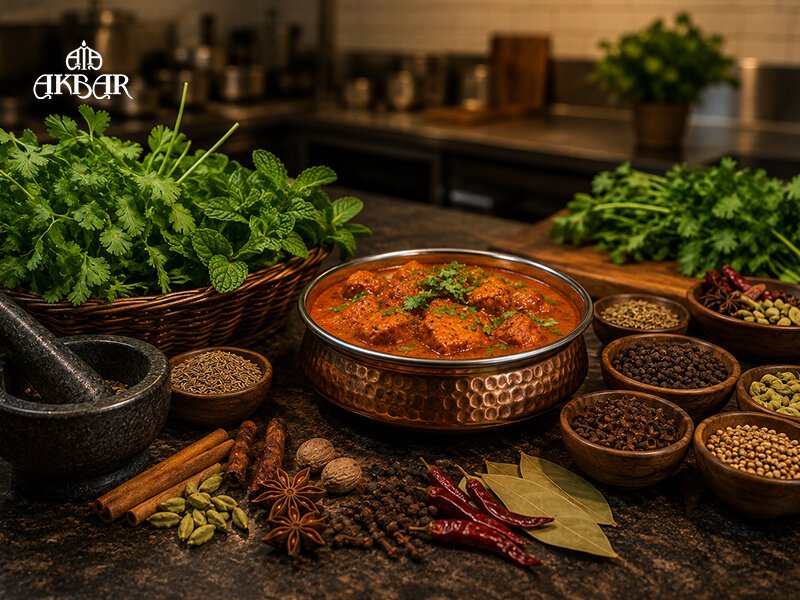
There is a big difference between food that simply tastes good and food that makes you stop after the first bite and think, “What makes this so flavorful?” Often, the answer is not a complicated recipe. It comes down to the ingredients, especially the herbs and spices used during cooking. In Indian cooking, fresh herbs and whole spices have always been an important part of building flavor. They bring fragrance, warmth, freshness, and depth to a dish in a way that is difficult to achieve with heavily processed ingredients. The timing, quality, and preparation of these ingredients can completely change the character of a meal. Why Fresh Herbs Bring a Different Kind of Flavor Fresh herbs have a brightness that dried herbs simply cannot fully replicate. Ingredients such as cilantro, mint, curry leaves, and fresh fenugreek leaves can add a fresh aroma and a lively finish to everything from curries to rice dishes. Using fresh herbs in cooking also allows their natural oils and delicate flavors to become part of the dish without overpowering the other ingredients. Sometimes, a small handful of freshly chopped cilantro added at the end is enough to make a rich curry taste lighter and more balanced. This is one reason fresh herbs for flavor are so valuable. They do not just add another taste. They can bring together the flavors that are already present in a dish. What Makes Whole Spices So Special? Whole spices are another important part of Indian cooking. Cumin seeds, cardamom, cloves, cinnamon, mustard seeds, coriander seeds, and black pepper are just a few examples. One of the biggest benefits of whole spices is that they retain their natural aroma until they are crushed, toasted, or heated. When whole spices are added to hot oil or ghee, their essential oils begin to release, creating that familiar aroma that makes you hungry before the food even reaches the table. This process is especially important in Indian cuisine because spices are not simply added for heat. They help create layers of flavor. Whole Spices vs Ground Spices The difference between whole spices vs ground spices is not about one being better in every situation. Both have their place in cooking. Ground spices are convenient and blend easily into sauces, marinades, and spice mixes. Whole spices, on the other hand, can provide a more pronounced aroma and allow cooks to control how much flavor is released during preparation. For example, freshly toasted cumin seeds can have a much more noticeable fragrance than cumin powder that has been sitting in a container for months. Similarly, freshly crushed black pepper can add a sharper, more vibrant taste than pre-ground pepper. That is why many cooks prefer fresh spices for cooking whenever possible. How Spices Enhance Flavor Spices do much more than make food spicy. How spices enhance flavor depends on the type of spice, when it is added, and how it is prepared. Some spices provide warmth, while others bring sweetness, earthiness, citrus-like notes, or subtle bitterness. Toasting can deepen their flavor, while blooming spices in oil can release their aroma throughout the dish. This is also where experience matters. Adding a spice at the right moment can make a noticeable difference. Add it too early, and its delicate notes may disappear. Add it too late, and it may taste raw rather than integrated into the dish. Good cooking is often about understanding these small details. Fresh Herbs and Whole Spices Work Better Together The real magic happens when herbs and spices for cooking are balanced rather than used individually. Whole spices can create the foundation of a dish, while fresh herbs can provide freshness and contrast. Think about a rich curry finished with cilantro, a fragrant rice dish with mint, or a lentil preparation tempered with cumin and other whole spices. The combination creates complexity without making the food confusing. Every ingredient has a role, and the flavors complement rather than compete with one another. Indian Herbs and Spices Have Their Own Character Indian herbs and spices are incredibly diverse. Different regions, communities, and cooking traditions use them in their own ways. Cumin may be central to one preparation, while mustard seeds, curry leaves, or fenugreek may define another. Cardamom and cinnamon can add warmth to a rich dish, while cilantro and mint can bring a refreshing finish. This variety is one of the reasons Indian cuisine offers such a broad range of flavors. The best spices for cooking are not necessarily the strongest ones. They are the ones that suit the dish and are used thoughtfully. Quality Matters More Than People Realize Even the best recipe cannot completely overcome poor-quality ingredients. Fresh herbs should look vibrant and smell fresh, while spices should have a strong natural aroma. Whole spices are particularly useful because their flavor can be assessed more easily. When you crush or toast a good-quality spice, its fragrance should immediately become noticeable. For restaurants, this attention to ingredients becomes even more important. When food is prepared for guests every day, consistency depends on using ingredients that deliver the right flavor from one plate to the next. The Small Details Guests Notice A dish does not need to be overloaded with spices to be memorable. In fact, some of the most satisfying dishes are the ones where every ingredient feels balanced. You may notice the aroma of toasted cumin before taking a bite. You may taste the warmth of cardamom in a rich preparation or the freshness of cilantro on top. These details may seem small, but together they create the overall experience. That is the beauty of cooking with fresh herbs and whole spices. They allow food to develop naturally instead of relying on one overpowering flavor. Experience the Difference at Akbar Restaurant At Akbar Restaurant, we believe great Indian food begins with the ingredients and the care that goes into preparing them. From aromatic whole spices to fresh herbs that bring each dish to life, every element has a purpose.
Common Myths About Spicy Food That Are Not Actually True
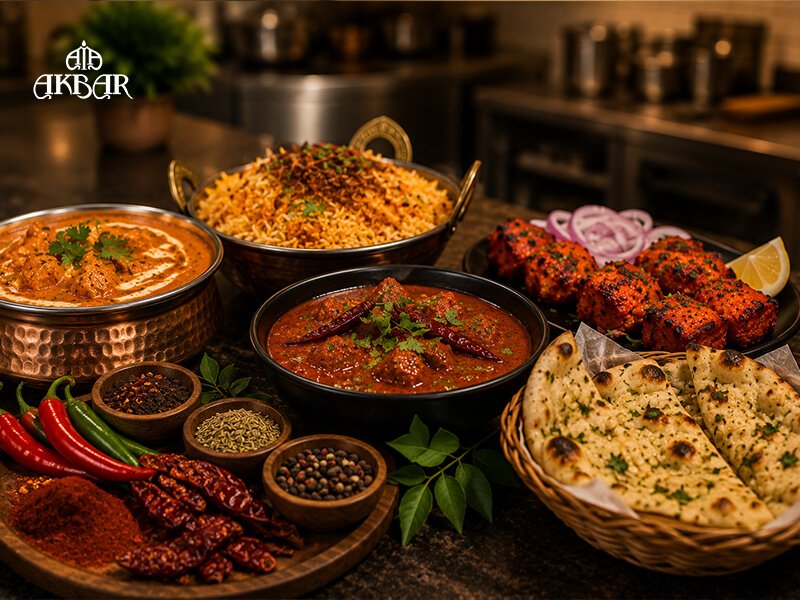
Spicy food has a reputation for being a little dangerous. Some people believe it can ruin your stomach, cause ulcers, make you sick, or that the hotter the dish, the worse it is for you. Others avoid chili altogether because they have heard so many warnings about it over the years. But how much of what we hear about spicy food is actually true? After years of cooking and serving Indian food, I have seen plenty of conversations around this topic. Some guests love a fiery curry, while others immediately ask for something mild. There is nothing wrong with either choice, but many common beliefs about spicy food are simply exaggerated. So, let’s clear up some of the most common spicy food myths and look at what the facts actually say. Myth 1: Spicy Food Always Causes Stomach Problems This is probably one of the most common myths about spicy food. Spicy food can certainly cause discomfort for some people. If you are sensitive to chili peppers, eating a very spicy dish may lead to heartburn, stomach discomfort, or digestive irritation. But that does not mean spicy food automatically causes stomach problems for everyone. Your tolerance matters. A person who regularly eats chili may handle a spicy curry comfortably, while someone who rarely eats spicy food may feel uncomfortable after just a few bites. The important thing is to know your own body and choose the level of spice that works for you. Myth 2: Spicy Food Causes Stomach Ulcers Another widespread belief is that eating spicy food directly causes ulcers. This is one of the more persistent spicy food health myths, but spicy food itself is not considered the main cause of most stomach ulcers. Certain infections, particularly H. pylori, and regular use of some pain-relieving medicines are much more closely associated with ulcers. That said, if someone already has an ulcer or digestive condition, spicy food may make their symptoms feel worse. This is an important distinction. Something that aggravates a symptom is not necessarily the original cause of the condition. Myth 3: The Spicier the Food, the Less Healthy It Is Heat and nutrition are two different things. A spicy dish can contain vegetables, lentils, beans, lean proteins, herbs, and a variety of spices. The presence of chili does not automatically make the entire dish unhealthy. This is where understanding spicy food facts becomes useful. Chili peppers contain capsaicin, the natural compound responsible for their heat. Spices such as turmeric, cumin, coriander, ginger, and black pepper can also contribute flavor without requiring excessive salt or heavy sauces. Of course, the overall preparation matters. A very rich or heavily fried dish is still rich or fried whether it is spicy or mild. Myth 4: Eating Spicy Food Will Make You Sick Have you ever heard someone say, “I can’t eat spicy food because I’ll get sick”? For some people, very spicy food can cause temporary discomfort. You may experience sweating, a runny nose, stomach irritation, or a burning sensation. But these reactions do not necessarily mean that the food is making you ill. Capsaicin activates heat-sensitive receptors in the body, which is why your brain interprets the experience as burning even though there is no actual fire involved. The effects of eating spicy food can vary considerably from person to person. Start with a moderate level of heat, especially if you are not accustomed to spicy dishes. Myth 5: Spicy Food Has No Health Benefits This is another belief worth questioning. Research into capsaicin and spicy foods has explored several potential health effects, including its relationship with metabolism, appetite, and cardiovascular health. Spices also allow cooks to build layers of flavor without relying only on salt, sugar, or rich sauces. This does not mean spicy food is a miracle food. It simply means that the benefits of spicy food can be part of a broader conversation about a balanced diet. There is no need to eat extremely spicy food to get nutritional value from a meal. Myth 6: You Have to Love Extremely Spicy Food to Enjoy Indian Food As someone who serves Indian food, I hear this one quite often. Indian cuisine is not simply about making everything hot. It is about balancing flavors. Sweet, sour, savory, aromatic, smoky, earthy, and spicy notes can all come together in the same meal. You can enjoy a flavorful butter chicken, fragrant biryani, creamy paneer dish, dal, or vegetable curry without choosing the highest spice level. This is especially helpful for families and groups dining together. Everyone can choose dishes according to their own comfort level. Myth 7: Drinking Water Always Stops the Burning Here’s a funny one that many of us learn the hard way. When a chili feels too hot, your first instinct may be to reach for a glass of water. Unfortunately, water does not do a great job of removing the burning sensation caused by capsaicin. Capsaicin is not water-soluble, so water can sometimes spread the sensation around your mouth instead of providing much relief. Dairy products can be more effective for many people because certain components in dairy can help remove capsaicin from the receptors in your mouth. Cooling foods can also make the experience more comfortable. Myth 8: If Spicy Food Burns, It Must Be Damaging Your Body The word “burning” can make spicy food sound much more dangerous than it actually is. The burning sensation comes from capsaicin interacting with specific receptors that normally respond to heat. Your brain receives a signal that feels like heat, even though the food has not literally burned your mouth. That said, extremely spicy foods can cause significant discomfort, especially for people who are not used to them. So there is still a good reason to enjoy spicy food sensibly. The goal is flavor, not a competition to see who can tolerate the hottest chili. So, Is Spicy Food Bad for You? The honest answer is that it depends on the person, the quantity, and the
How Restaurants Keep Every Dish Tasting Consistent Every Time
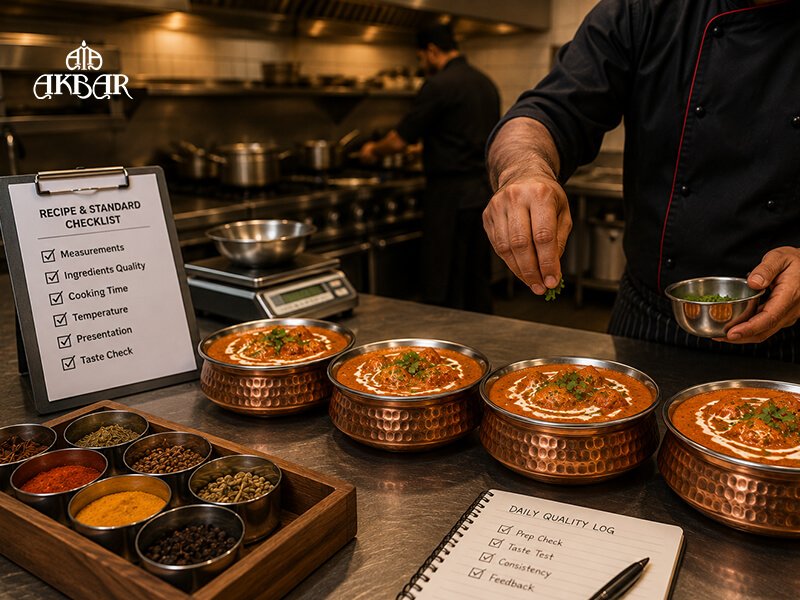
Have you ever ordered your favorite dish at a restaurant and noticed that it tastes just as good as the last time? That kind of consistency is not accidental. When customers return to a restaurant, they usually expect a familiar experience. They want the same flavors, the same quality, and the same care that made them enjoy the dish in the first place. Whether it is a rich curry, freshly baked naan, flavorful biryani, or a simple appetizer, restaurant food consistency plays a major role in building customer trust. Behind every consistently good dish is a combination of carefully developed recipes, trained kitchen staff, quality ingredients, and restaurant cooking standards that are followed every day. Why Food Consistency Matters So Much in Restaurants People often return to a restaurant because they know what they are going to get. If a customer loves a particular dish, they expect it to taste familiar the next time they order it. If the flavor changes significantly from one visit to another, it can affect their overall impression of the restaurant. This is why consistent food quality is one of the most important parts of running a successful restaurant. Consistency does not mean that food has to be boring or identical in every tiny detail. It means maintaining the flavor, freshness, portion, texture, and overall quality that customers have come to expect. For restaurants, that reliability can turn a first-time visitor into a regular customer. It Starts With a Well Tested Recipe One of the simplest answers to how restaurants maintain food quality is having recipes that are properly developed and tested. Professional kitchens generally do not rely only on memory or guesswork. Recipes provide a clear understanding of ingredients, quantities, preparation methods, cooking times, and serving portions. This is particularly important for dishes that contain several spices and ingredients. Even a small change in the amount of salt, spice, oil, or another key ingredient can affect the final flavor. Well-documented recipes help create restaurant recipe consistency, allowing different members of the kitchen team to prepare the same dish according to the restaurant’s established method. Quality Ingredients Make a Noticeable Difference A recipe can be perfectly written, but the ingredients still matter. Fresh vegetables, good-quality spices, properly stored meats, fresh dairy products, and other ingredients can directly influence the final dish. Restaurants need to pay attention not only to what they purchase but also to how those ingredients are received, stored, prepared, and used. For Indian cuisine in particular, spices and fresh ingredients can have a significant impact on aroma and flavor. Using reliable ingredients helps restaurants maintain restaurant food quality throughout the menu. This is one reason professional kitchens pay close attention to their suppliers and ingredient storage practices. Portion Control Helps Keep Flavors Balanced Imagine ordering the same dish twice and receiving noticeably different amounts of sauce, rice, meat, or vegetables each time. Even if the recipe is technically the same, the experience can feel different. Portion control helps maintain both the appearance and flavor balance of a dish. Kitchen teams may use standardized serving tools, measurements, or established portion sizes to make sure every plate follows the restaurant’s expectations. This is another important part of food quality control in restaurants. It also helps restaurants manage food costs while providing customers with a more reliable dining experience. Restaurant Cooking Standards Keep the Kitchen Organized A busy restaurant kitchen can become extremely fast-paced, especially during lunch and dinner service. Without proper systems, it becomes much easier for small mistakes to happen. That is where restaurant kitchen standards become important. These standards can cover everything from food preparation and cooking temperatures to storage, sanitation, portioning, plating, and timing. When kitchen staff understand these expectations, it becomes easier to maintain restaurant cooking consistency, even during busy service hours. Good systems also make it easier for new team members to understand how dishes should be prepared. Training Makes Consistency Possible Recipes and kitchen guidelines are helpful, but people still need to know how to follow them. Restaurant staff training is an important part of maintaining consistency. Chefs and kitchen team members need to understand not only what goes into a dish but also why certain preparation methods matter. For example, cooking something for a few extra minutes can change its texture. Adding spices at the wrong stage can affect their aroma and flavor. Even the way ingredients are cut can influence how evenly they cook. Ongoing training helps the team maintain the restaurant’s established methods and supports consistent taste in restaurants. Taste Checks Are Part of Quality Control A restaurant cannot simply prepare food and assume everything is perfect. Experienced kitchen teams understand the value of checking food during preparation and service. Depending on the dish, chefs may check seasoning, texture, aroma, appearance, and temperature before it reaches the customer. These small checks can catch problems before they become part of someone’s dining experience. This hands-on approach is an important part of maintaining consistent food quality and ensuring that the restaurant’s cooking standards are actually being followed. Fresh Preparation and Proper Storage Matter Food consistency is not only about cooking. How ingredients are stored and prepared can make a big difference. Ingredients need to be kept at appropriate temperatures and handled properly to preserve their freshness and quality. Preparation schedules can also help kitchens manage ingredients efficiently. When certain components are prepared too early or stored incorrectly, their texture and flavor may change. Proper storage, preparation, and handling are therefore essential parts of how restaurants maintain food quality every day. The Goal Is Consistency Without Losing the Human Touch There is an interesting balance in restaurant cooking. Customers want their favorite dish to taste familiar, but they also appreciate food that feels freshly prepared rather than mass-produced. The goal is not to remove the human element from cooking. It is to create reliable systems that allow chefs to use their skills consistently. A good kitchen provides its team with the right recipes, ingredients, standards, and training
Why Authentic Tandoor Cooking Creates a Flavor You Cannot Recreate at Home
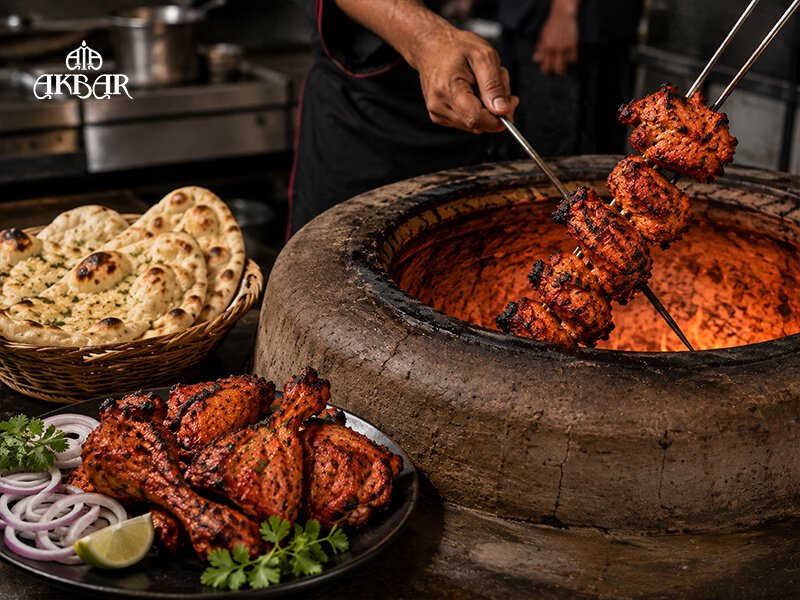
There is something special about food cooked in a traditional tandoor. You can grill chicken, bake naan, or marinate vegetables in your own kitchen, but getting that same deep, smoky, slightly charred flavor is surprisingly difficult. The difference comes from more than just the ingredients. It comes from the cooking environment, the heat, and the traditional techniques used to prepare food inside a tandoor. Authentic tandoor cooking has been part of Indian culinary traditions for generations. A tandoor is not simply another type of oven. Its intense heat and unique cooking method create textures and flavors that are difficult to reproduce with a regular grill or home oven. What Makes Tandoor Cooking So Different? A tandoor cooking method uses a traditional clay oven designed to reach extremely high temperatures. Unlike a conventional oven, where food is surrounded by relatively even heat, tandoor cooking combines radiant heat, hot air, and direct contact with the heated clay surface. Food is often placed close to the intense heat, allowing the outside to cook quickly while helping the inside remain tender. This is particularly important for tandoori chicken, kebabs, paneer, and other tandoor grilled food. The result is that familiar combination of a lightly charred exterior, juicy interior, and unmistakable smoky tandoori flavor. The Role of the Clay Oven One of the defining elements of traditional Indian cooking methods is the use of the clay oven. The thick clay walls of a traditional tandoor retain heat exceptionally well, creating an intense cooking environment. This is why clay oven cooking can produce a different result from cooking the same food on a standard gas or electric grill. The high heat quickly caramelizes the surface of the food, while the enclosed environment contributes to its characteristic roasted aroma. The clay itself does not simply make food taste smoky. Rather, it helps create the high-temperature conditions that allow the ingredients, marinades, and natural juices to develop a more complex flavor. Why the Marinade Matters The flavor of tandoori cooking does not begin when the food enters the oven. It starts much earlier with the marinade. Traditional tandoor cooking often uses combinations of yogurt, spices, ginger, garlic, herbs, and other seasonings. These ingredients help tenderize the food while creating a flavorful coating on the surface. When the marinated food meets the intense heat of the tandoor, the outer layer begins to caramelize and char. The spices become more aromatic, while the yogurt-based marinade develops a slightly roasted finish. This combination is one of the reasons authentic Indian tandoor flavors are so recognizable. The Importance of Tandoori Cooking Techniques Cooking in a tandoor requires more than simply putting food into a hot oven. Experienced cooks understand how long different ingredients need to cook and how close they should be to the heat. Skewered meats, vegetables, paneer, and breads each respond differently to high temperatures. A skilled cook knows when to turn or remove an item so that it develops the right amount of char without becoming dry. These tandoori cooking techniques are built through experience. Timing, temperature, preparation, and handling all have an effect on the final dish. That is something a home cook can imitate, but it is difficult to reproduce perfectly without the equipment and experience of a professional kitchen. Why Naan Tastes Different From Home Baked Bread Naan is another great example of what makes Indian restaurant tandoor cooking unique. Traditional naan is stretched and shaped before being carefully placed against the hot inner wall of the tandoor. The intense heat cooks it quickly, creating a soft and airy center with lightly blistered and crisp edges. A home oven can certainly produce delicious naan, but the intense heat and cooking surface of a traditional tandoor create a texture that is difficult to match. That slight char on the surface, combined with the soft interior, is part of what makes freshly prepared naan so enjoyable with tandoori dishes, curries, and kebabs. Why Home Grilling Cannot Fully Recreate It Modern grills and ovens are useful, but they do not provide exactly the same cooking environment as a traditional tandoor. A home grill may create char, while an oven can roast food at high temperatures. However, authentic tandoor cooking combines several elements at once: intense radiant heat, retained heat from the clay walls, enclosed cooking, skewering techniques, and carefully prepared marinades. There is also the human element. Professional cooks learn how different foods behave in the tandoor and adjust cooking times accordingly. That combination is what gives tandoor cooking its distinctive character. The Flavor Is About More Than Smoke It is easy to think that the smoky flavor is the main reason tandoori food tastes different. While smoke and char contribute to the experience, they are only part of the story. The high temperature helps create browning and caramelization. Marinades add layers of spice and acidity. The cooking method helps preserve moisture inside the food while developing a roasted exterior. Together, these elements create a deeper flavor than simply grilling the same ingredients at home. Why Tandoor Food Is Best Enjoyed Fresh Tandoor grilled food is at its best when served immediately. Freshly cooked kebabs have a warm, aromatic exterior and a tender center. Naan is soft and slightly crisp around the edges. Tandoori vegetables retain their roasted character without losing their natural texture. This is also why the experience of visiting a restaurant matters. You are not just eating food that was cooked using a certain method. You are enjoying it at the moment when its texture, aroma, and flavor are at their best. Experience Authentic Tandoor Cooking at Akbar Restaurant If you are looking for the flavors of traditional tandoor cooking, Akbar Restaurant brings the experience of Indian restaurant tandoor cooking to the Edison, NJ area. From flavorful tandoori dishes and grilled specialties to freshly prepared naan, the menu is designed to showcase the depth and character that come from traditional cooking techniques. For anyone searching for indian restaurants in Edison, NJ or an indian restaurant
Butter Chicken vs Chicken Tikka Masala: Which One Should You Order?
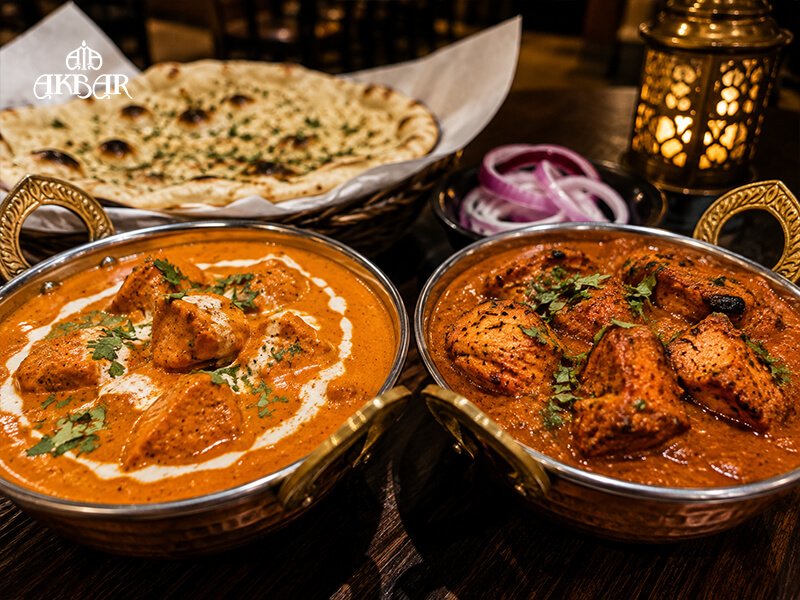
If you are sitting at an Indian restaurant trying to decide between Butter Chicken vs Chicken Tikka Masala, you are definitely not alone. Both dishes are incredibly popular, both come with a rich tomato-based gravy, and both pair beautifully with naan or fragrant basmati rice. But once you taste them, you will notice that they are not quite the same. Butter Chicken is generally smoother, creamier, and milder, while Chicken Tikka Masala usually has a deeper spice profile and a more pronounced roasted flavor. So, when it comes to the Difference between Butter Chicken and Chicken Tikka Masala, which one should you order? The answer really depends on what you are craving. What Makes Butter Chicken So Popular? Butter Chicken is one of the most recognizable Indian chicken dishes, and for good reason. It is made with tender chicken cooked in a rich tomato-based sauce with butter, cream, and aromatic Indian spices. The result is a smooth and comforting Creamy Indian chicken curry with a gentle balance of sweetness, tanginess, and spice. The chicken is traditionally marinated with yogurt and spices before being cooked, often giving it a tender texture and a subtle smoky character. The creamy gravy then brings everything together. If you enjoy rich, mild curries that are easy to eat with naan, Butter Chicken is usually a safe choice. What Makes Chicken Tikka Masala Different? Chicken Tikka Masala starts with an important step that gives it much of its character: the chicken is marinated and traditionally cooked at high heat, giving the pieces a smoky, roasted exterior. Those pieces are then added to a flavorful tomato-based masala gravy made with onions, tomatoes, garlic, ginger, and a blend of spices. Compared with butter chicken, Chicken Tikka Masala often has a stronger savory and spiced flavor. The sauce can still be creamy, but the roasted chicken and spices tend to stand out more. For anyone looking for a flavorful Tandoori chicken curry-style experience with a little more spice and smoky depth, this can be the better option. Butter Chicken vs Tikka Masala in Simple Terms The easiest way to understand Butter Chicken vs Tikka Masala is to think about the overall eating experience. Butter Chicken is rich, buttery, creamy, and relatively mild. It is the kind of curry you order when you want something comforting and silky. Chicken Tikka Masala is more robust, smoky, savory, and spice-forward. It is a great choice when you want the grilled flavor of chicken tikka combined with a flavorful curry. Both are among the Popular Indian curries you will find on menus around the world, but they offer noticeably different flavors. Which One Is Better for You? There is no universal winner in the Butter Chicken vs Chicken Tikka Masala debate. It comes down to personal taste. Choose Butter Chicken if you: Prefer mild or medium spice Enjoy creamy sauces Like a slightly buttery and rich flavor Want a comforting curry with naan or rice Choose Chicken Tikka Masala if you: Enjoy more pronounced spices Like smoky, grilled chicken Prefer a savory and flavorful curry Want something with a little more character If you are trying Indian food for the first time, either can be a great introduction to Indian restaurant chicken dishes. If you already know you enjoy tandoori flavors, however, chicken tikka masala may be the more exciting choice. What Should You Order With Them? A good curry becomes even better with the right side. For Butter Chicken, try garlic naan, plain naan, basmati rice, or jeera rice. The creamy gravy is perfect for soaking into warm naan. For Chicken Tikka Masala, garlic naan or tandoori roti can complement the smoky and spiced flavors beautifully. Rice is another simple choice if you prefer a lighter accompaniment. And if you are ordering for a group, why choose just one? Sharing both curries lets everyone experience the difference between these two classic dishes. Which Is the Best Indian Chicken Curry? Calling one the Best Indian chicken curry is difficult because Indian cuisine has so many regional flavors and cooking styles. From butter chicken and chicken tikka masala to korma, vindaloo, chettinad chicken, and other specialties, there is plenty to explore. What makes these two dishes special is their accessibility. They offer bold Indian flavors while remaining approachable for people who may not be used to very spicy food. That is also why they remain such popular choices at indian restaurants in Edison, NJ, and beyond. Try Both and Decide for Yourself If you are still wondering Butter Chicken vs Chicken Tikka Masala, our advice is simple: think about your mood. Want something creamy, mellow, and comforting? Go for Butter Chicken. Want smoky chicken, stronger spices, and a more pronounced masala flavor? Order Chicken Tikka Masala. And if you cannot decide, order both. Sometimes the best way to settle the Butter Chicken vs Tikka Masala question is to put both on the table and enjoy them side by side. Enjoy Classic Indian Flavors at Akbar Restaurant We believe good Indian food should be flavorful, satisfying, and enjoyable from the very first bite. Whether you are craving creamy Butter Chicken, flavorful Chicken Tikka Masala, freshly baked naan, or other classic Indian specialties, our menu has something for every kind of curry lover. If you are looking for indian restaurants in Edison, NJ, or an indian restaurant near Edison, NJ, come experience the flavors of Akbar Restaurant with family and friends. For reservations or enquiries, visit the Akbar Restaurant Contact Page. Butter Chicken vs Chicken Tikka Masala: Which One Should You A First Timers Guide to Exploring an Indian Restaurant Menu How to Build the Perfect Family Style Feast for Your The Secret Behind Slow-Cooked Curries and Their Deep Richness Load More
A First Timers Guide to Exploring an Indian Restaurant Menu
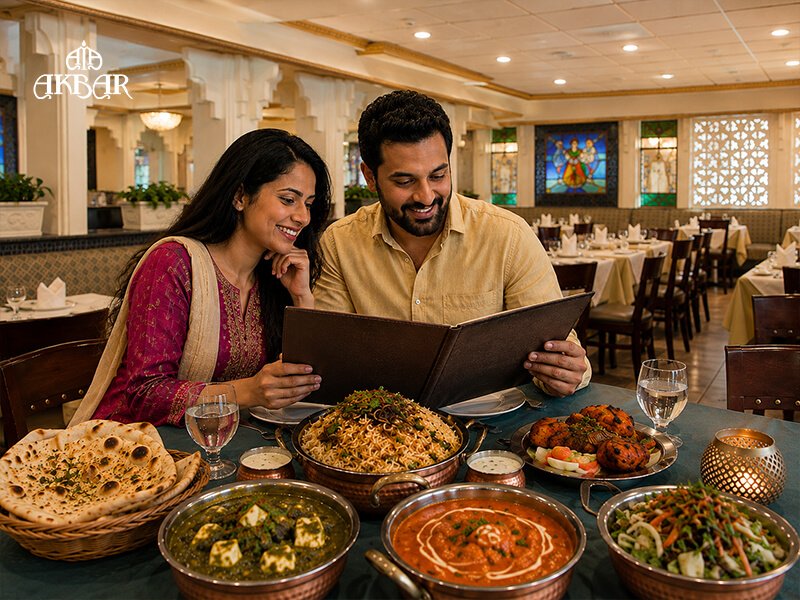
Trying an Indian restaurant for the first time can be exciting, but looking at the menu can also feel a little overwhelming. There may be unfamiliar dish names, different types of curries, regional specialties, breads, rice dishes, and a variety of spices you have never tried before. The good news is that you do not need to know everything about Indian cuisine before placing your order. Once you understand the basic sections of an Indian Restaurant Menu, choosing your meal becomes much easier. Whether you enjoy mild flavors, love something spicy, or simply want to discover something new, this Indian cuisine guide will help you understand what to order and how to enjoy your first Indian dining experience. Start With Indian Appetizers A great way to begin exploring an Indian food menu is with an appetizer. Indian appetizers are designed to introduce you to different textures, spices, and flavors without committing to a full entrée. Samosas are one of the most popular choices for first-time diners. These crisp, triangular pastries are traditionally filled with seasoned potatoes and peas. They are often served with chutneys that add sweet, tangy, or spicy flavors. Pakoras are another popular option. Vegetables or other ingredients are coated in a seasoned chickpea flour batter and fried until crisp. They are especially enjoyable when paired with chutney. Tandoori appetizers are also worth considering. Chicken tikka, for example, consists of pieces of chicken marinated in yogurt and spices before being cooked in a traditional tandoor. The result is smoky, flavorful, and usually a great introduction to Indian cooking. If you are looking for Indian food for first timers, sharing two or three appetizers is an easy way to sample different flavors. Understand the Difference Between Curries The word “curry” can make Indian food sound like one particular type of dish, but Indian cuisine includes a huge variety of preparations. Some curries are creamy and mild, while others are tomato-based, spicy, tangy, or rich with aromatic spices. The level of heat also varies from dish to dish. Butter chicken is often recommended among the best Indian dishes for beginners because it has a creamy tomato-based sauce with a balanced combination of spices. Chicken tikka masala is another familiar choice, especially for diners who prefer a rich, flavorful sauce. For vegetarian diners, paneer dishes are an excellent starting point. Paneer is a soft Indian cheese that works particularly well with flavorful sauces. Paneer tikka masala and paneer makhani are examples of dishes that offer a satisfying introduction to Indian flavors. If you are unsure about spice levels, do not hesitate to ask your server. A good restaurant can help you choose dishes based on your comfort level. Explore Indian Breads Indian breads are an important part of the dining experience and are often used to scoop up curries and sauces. Naan is probably the most familiar option for someone new to Indian food. It is a soft, oven-baked flatbread that pairs beautifully with almost any curry. Garlic naan adds another layer of flavor and is a popular choice. Roti is another traditional bread, usually lighter and less rich than naan. If you prefer something simple, roti can be an excellent accompaniment to your meal. For a first visit, ordering one type of bread for the table is a simple way to experience how Indian breads complement the main dishes. Do Not Overlook Rice Dishes Rice is much more than a side dish in Indian cuisine. Different preparations can offer completely different experiences. Basmati rice is fragrant and light and works well alongside rich curries. Biryani, on the other hand, is a complete rice-based dish prepared with aromatic spices and ingredients such as chicken, lamb, vegetables, or other proteins. For many first-time diners, biryani quickly becomes one of their favorite popular Indian dishes because of its fragrant rice and layers of flavor. If you are dining with friends or family, consider ordering a rice dish along with curries and breads so everyone can try a little of everything. Try Something Vegetarian One of the biggest surprises for people new to Indian cuisine is just how extensive the vegetarian selection can be. Indian cooking uses vegetables, lentils, beans, paneer, and other ingredients in creative ways. Dal, for example, is made with lentils and is comforting, flavorful, and available in many regional styles. Chana masala, made with chickpeas and aromatic spices, is another flavorful option. Vegetable curries can also introduce you to ingredients and spice combinations that may not appear in everyday meals. You do not have to be vegetarian to enjoy vegetarian Indian restaurant dishes. In fact, ordering one vegetarian dish alongside a meat-based entrée is one of the easiest ways to explore more of the menu. How Spicy Is Indian Food? Indian food is known around the world for its spices, but spicy does not always mean extremely hot. Spices such as cumin, coriander, turmeric, cardamom, cinnamon, cloves, and garam masala contribute aroma and depth. Chili is only one part of the overall flavor profile. If you are sensitive to heat, tell your server that you prefer mild food. If you enjoy spicy dishes, you can ask for recommendations with more heat. The important thing is to distinguish between spice and heat. A dish can be intensely flavorful without being overwhelmingly hot. How to Build Your First Indian Meal If you are completely new to Indian cuisine, you do not need to order several unfamiliar dishes at once. A simple meal could include one appetizer, one entrée, rice or bread, and a side to share. For example, you might start with samosas, choose butter chicken or a paneer dish as your entrée, add garlic naan, and share a rice dish with the table. This gives you different textures and flavors without making the meal unnecessarily complicated. As you become more comfortable with the menu, you can begin trying regional specialties and dishes that are less familiar. Popular Indian Dishes Worth Trying If you are searching for must-try Indian food, there
How to Build the Perfect Family Style Feast for Your Next Dinner Out
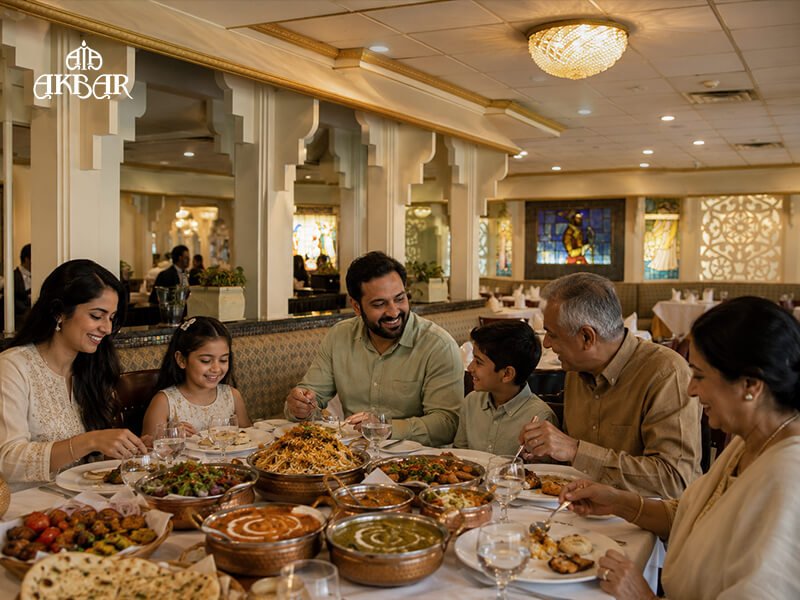
There is something special about sitting around a table with family, ordering a little more than you normally would, and passing dishes around while everyone tries something new. A good family-style dinner is not just about eating together. It is about sharing, talking, discovering new flavors, and making the meal feel like an occasion. Whether you are planning a casual dinner with your family, celebrating a birthday, or getting a larger group together after a busy week, choosing the right dishes can make all the difference. Instead of everyone ordering a separate entrée, family style dining gives everyone the chance to enjoy several dishes together. Here is how to put together a feast that keeps everyone at the table happy. Start With a Mix of Familiar and New Flavors When you are dining with a group, everyone’s tastes may be different. Some people may want something comforting and familiar, while others may be ready to try something completely new. A good family style meal should have a balance. Start with a few dishes that everyone already enjoys, then add one or two options that encourage the table to explore something different. This approach works especially well at Indian restaurants because there are so many different flavors, textures, spices, and cooking styles to choose from. Order a Variety of Appetizers Appetizers are an easy way to get everyone involved from the beginning. Rather than ordering one appetizer per person, choose several dishes for the table to share. Think about mixing crispy, grilled, vegetarian, and meat-based options. This gives everyone something to reach for while the main dishes are being prepared. For larger groups, appetizers can also help set the pace of the meal. Everyone can enjoy small bites, talk, and settle in without feeling rushed to order their main course. Choose Main Dishes That Work Well Together The best dishes for sharing are usually those that pair naturally with rice, breads, or other sides. When building your feast, think about the overall combination instead of choosing several dishes that are too similar. For example, you could choose a rich and creamy dish alongside something with a little more spice. Add a flavorful vegetarian option and a grilled specialty to give the table plenty of variety. This is one of the reasons sharing dishes at restaurants can be more enjoyable than ordering individually. You get to taste different preparations during the same meal instead of committing to just one dish. Do Not Forget the Bread and Rice A family-style feast is not complete without sides that bring everything together. Freshly prepared Indian breads are ideal for sharing because they can be paired with several different dishes. Rice is another essential, particularly when the table has flavorful curries or saucy entrées. Instead of ordering one side for every person, consider choosing a few varieties for the table. It keeps the meal communal and gives everyone the freedom to build their plate exactly the way they like. Keep Dietary Preferences in Mind When you are planning a group meal, it is worth asking everyone about dietary preferences before placing the order. Make sure there are vegetarian choices available, and check whether anyone has food allergies or specific dietary restrictions. Indian cuisine offers plenty of vegetarian and plant-based possibilities, making it easier to create a varied spread for a mixed group. A little planning beforehand can make the group dining experience much more comfortable for everyone. Save Room for Dessert After appetizers, curries, breads, rice, and everything else on the table, it can be tempting to skip dessert. But sharing something sweet at the end is often what completes the experience. You do not necessarily need several desserts. One or two options for the table can be enough for everyone to have a taste. Dessert also gives the group a reason to slow down, continue the conversation, and enjoy the final part of the evening instead of immediately heading home after the main course. Make the Meal About Sharing The biggest advantage of family style dining is that it naturally creates interaction. Passing plates around the table, asking someone to try a particular dish, comparing favorites, and discovering something new together are small moments that make a dinner memorable. If you are looking for family dinner ideas, consider making the experience less about choosing the perfect individual entrée and more about creating a table full of dishes that everyone can enjoy. Choose the Right Restaurant for Your Group The restaurant you choose can have a big impact on the evening. Look for a place with a varied menu, generous portions, comfortable seating, and dishes that are naturally suited to sharing. For families and groups looking for indian restaurants in Edison, NJ, Indian cuisine can be an excellent choice because a single table can enjoy everything from appetizers and grilled specialties to curries, vegetarian dishes, rice, breads, and desserts. If you are searching for an indian restaurant near Edison, NJ, consider choosing a restaurant where the menu gives your group plenty of options rather than limiting everyone to a single style of dish. A Family Style Feast Is Better When Everyone Gets to Try Something The beauty of a family-style dinner is that there is no pressure to choose just one favorite. You can order a selection, share everything, and let everyone discover what they enjoy. Keep the menu varied, include a few familiar favorites, add something new, and order enough sides to bring everything together. Most importantly, give yourself time to enjoy the people sitting around the table. At Akbar Restaurant, we make it easy to turn a regular dinner into a flavorful experience worth sharing. From Indian favorites and flavorful curries to appetizers, breads, rice, and dishes made for the table, there is something for everyone to enjoy together. Whether you are planning a family dinner, celebrating a special occasion, or bringing a larger group together, come enjoy a warm and satisfying dining experience at Akbar Restaurant. For reservations or enquiries, contact Akbar
The Secret Behind Slow-Cooked Curries and Their Deep Richness
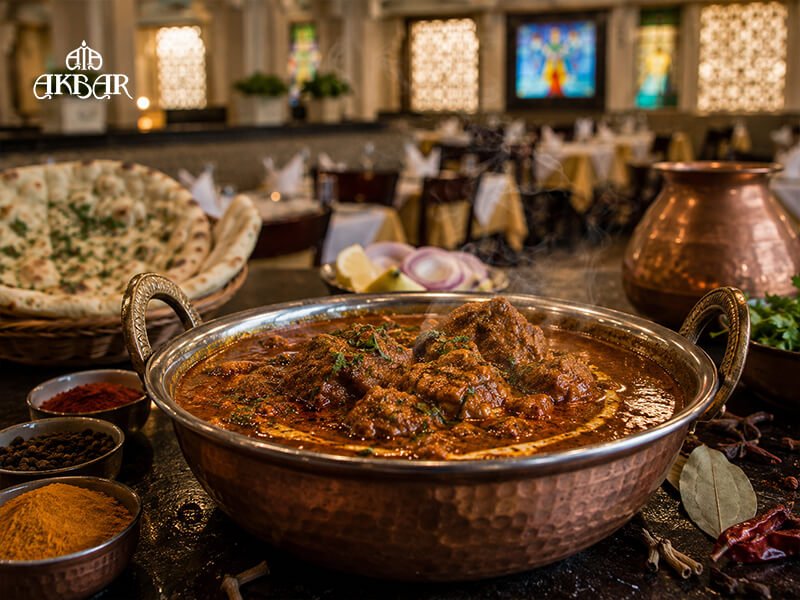
There is something special about a curry that has been given time to cook properly. The aroma fills the kitchen, the spices become softer and more balanced, and every spoonful seems to have more depth. That is the beauty of slow-cooked curries. Unlike dishes prepared in a hurry, a slow-cooked curry allows the ingredients to gradually come together. Onions have time to caramelize, spices release their natural oils, and meat or vegetables slowly absorb the surrounding flavors. The result is not simply a curry that tastes stronger. It tastes more complete. For many traditional Indian dishes, patience has always been an important part of the cooking process. What Happens During Slow Cooking The secret of slow-cooking curry is not complicated. It is mostly about giving each ingredient enough time to do its job. When a curry simmers gently, the heat allows spices, aromatics, sauces, and main ingredients to blend naturally. Instead of one flavor overpowering another, they develop together. This is particularly important when using ingredients such as onions, tomatoes, ginger, garlic, yogurt, cream, and whole spices. Over time, their individual flavors become part of a deeper, more balanced sauce. That gradual development is one reason rich curry flavors are often associated with traditional cooking. Spices Need Time to Release Their Character Indian cooking is known for its layers of spices, but adding a lot of spices does not automatically create a flavorful curry. The cooking process matters just as much. Whole spices such as cardamom, cloves, cinnamon, bay leaves, and cumin gradually release their aroma as they cook. Ground spices also become more rounded when they are cooked properly with the base of the curry. With slow cooking techniques, these flavors have enough time to blend into the sauce rather than sitting separately on the surface. That is why a well-prepared curry can have a warm aroma, gentle heat, sweetness, earthiness, and richness all at once. The Role of the Curry Base A good curry often starts long before the main ingredient goes into the pot. Onions, ginger, garlic, tomatoes, and spices create the foundation. When this base is cooked slowly, the onions soften and develop sweetness while the other ingredients become more integrated. Depending on the recipe, yogurt, coconut milk, cream, nuts, or other ingredients may then be added to create a smoother and richer texture. This is where rich and creamy curries get much of their character. The creaminess is not simply about adding cream. It is about building a sauce where every ingredient has had enough time to develop. Why Slow Simmering Creates Deeper Flavor One of the most important parts of slow-simmered curries is maintaining gentle heat. High heat can cook ingredients quickly, but it does not always give flavors enough time to develop. Slow simmering encourages the sauce to gradually thicken while the ingredients absorb more of the surrounding seasoning. In meat-based curries, this can also help tougher cuts become more tender when cooked appropriately. Vegetables can absorb the spices while retaining their own character. The result is the kind of deep, flavorful curries that make you want to take another bite, not because they are excessively spicy, but because there is so much going on in the flavor. Traditional Cooking Is About Patience Many traditional slow-cooked dishes come from a time when cooking was less about speed and more about allowing food to develop naturally. Different regions of India have their own versions of slow cooking. Some curries are prepared in heavy pots, while others are cooked gently with a tightly covered lid. Certain dishes are allowed to simmer for extended periods so that the meat, vegetables, spices, and sauce become beautifully integrated. The methods may differ, but the principle remains similar: good food often needs time. That philosophy is easy to appreciate even today. In a world where so much is prepared quickly, a carefully simmered curry offers something different. It feels comforting, familiar, and satisfying. Slow-Cooked Curries Are More Than Just Rich It is tempting to describe every slow-cooked curry as simply “rich,” but there is more to it than that. A properly prepared curry should have balance. The spices should complement the main ingredient rather than hide it. The sauce should have body without feeling unnecessarily heavy. Aromatics should add fragrance, while acidity and sweetness help bring everything together. This balance is what makes slow-cooked curries so enjoyable. You may notice the warmth of cinnamon first, followed by the fragrance of cardamom, the earthiness of cumin, or the gentle heat of chilies. With every bite, another layer becomes noticeable. Why Restaurant Curries Can Taste Different When dining out, one of the things people often notice is how restaurant curries can have a particularly developed flavor. At a restaurant, certain curry bases may be prepared carefully in advance, allowing chefs to build dishes with consistency while still giving individual curries their own character. Proper preparation, fresh ingredients, controlled heat, and experience all play a role. At Akbar Restaurant, we believe that the foundation of a memorable Indian meal comes down to the same things that have always mattered: good ingredients, thoughtful seasoning, and cooking with patience. The Taste of Food Made With Patience The best slow-cooking curry does not need to shout for attention. Its flavor speaks gradually. You notice the aroma first. Then comes the warmth of the spices, the texture of the sauce, and finally the lingering flavor that stays after each bite. That is what makes slow cooking so rewarding. Whether you enjoy a hearty meat curry, a creamy vegetarian preparation, or a traditional Indian specialty, taking the time to cook it properly can make an enormous difference. If you are looking to experience carefully prepared Indian flavors, Akbar Restaurant brings together traditional recipes, aromatic spices, and the kind of comforting dishes that make a meal worth sitting down for. Visit Akbar Restaurant to enjoy flavorful Indian cuisine in a welcoming setting, whether you are planning a family dinner, a casual meal, or a special gathering. For