There is something special about food cooked in a traditional tandoor. You can grill chicken, bake naan, or marinate vegetables in your own kitchen, but getting that same deep, smoky, slightly charred flavor is surprisingly difficult. The difference comes from more than just the ingredients. It comes from the cooking environment, the heat, and the traditional techniques used to prepare food inside a tandoor.
Authentic tandoor cooking has been part of Indian culinary traditions for generations. A tandoor is not simply another type of oven. Its intense heat and unique cooking method create textures and flavors that are difficult to reproduce with a regular grill or home oven.
A tandoor cooking method uses a traditional clay oven designed to reach extremely high temperatures. Unlike a conventional oven, where food is surrounded by relatively even heat, tandoor cooking combines radiant heat, hot air, and direct contact with the heated clay surface.
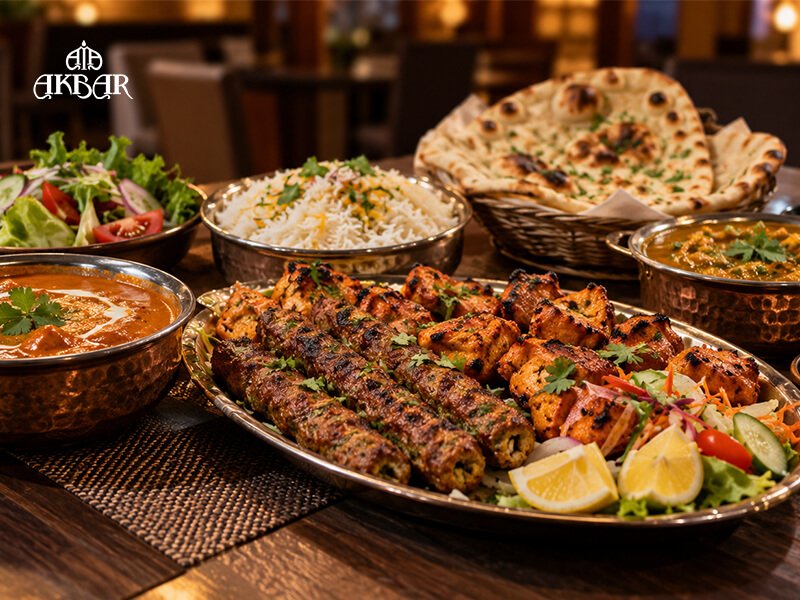
Food is often placed close to the intense heat, allowing the outside to cook quickly while helping the inside remain tender. This is particularly important for tandoori chicken, kebabs, paneer, and other tandoor grilled food.
The result is that familiar combination of a lightly charred exterior, juicy interior, and unmistakable smoky tandoori flavor.
One of the defining elements of traditional Indian cooking methods is the use of the clay oven. The thick clay walls of a traditional tandoor retain heat exceptionally well, creating an intense cooking environment.
This is why clay oven cooking can produce a different result from cooking the same food on a standard gas or electric grill. The high heat quickly caramelizes the surface of the food, while the enclosed environment contributes to its characteristic roasted aroma.
The clay itself does not simply make food taste smoky. Rather, it helps create the high-temperature conditions that allow the ingredients, marinades, and natural juices to develop a more complex flavor.
The flavor of tandoori cooking does not begin when the food enters the oven. It starts much earlier with the marinade.
Traditional tandoor cooking often uses combinations of yogurt, spices, ginger, garlic, herbs, and other seasonings. These ingredients help tenderize the food while creating a flavorful coating on the surface.
When the marinated food meets the intense heat of the tandoor, the outer layer begins to caramelize and char. The spices become more aromatic, while the yogurt-based marinade develops a slightly roasted finish.
This combination is one of the reasons authentic Indian tandoor flavors are so recognizable.
Cooking in a tandoor requires more than simply putting food into a hot oven. Experienced cooks understand how long different ingredients need to cook and how close they should be to the heat.
Skewered meats, vegetables, paneer, and breads each respond differently to high temperatures. A skilled cook knows when to turn or remove an item so that it develops the right amount of char without becoming dry.
These tandoori cooking techniques are built through experience. Timing, temperature, preparation, and handling all have an effect on the final dish.
That is something a home cook can imitate, but it is difficult to reproduce perfectly without the equipment and experience of a professional kitchen.
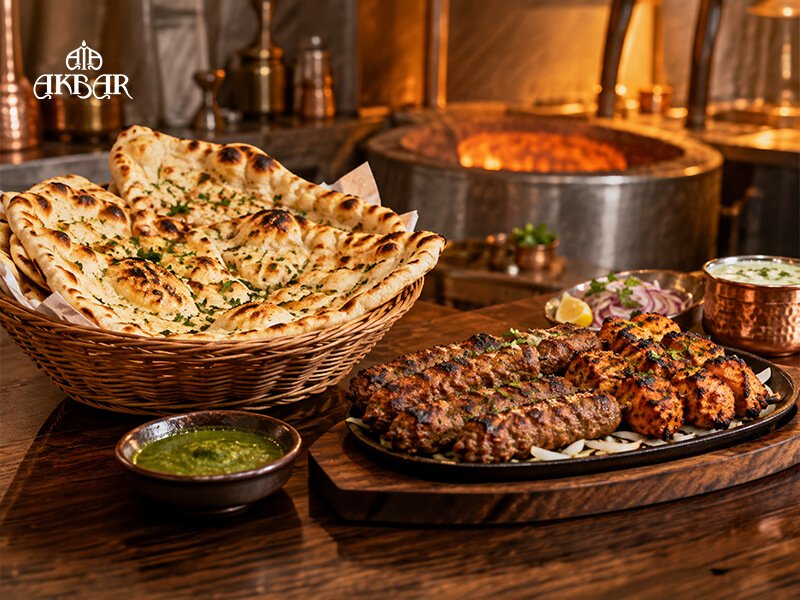
Naan is another great example of what makes Indian restaurant tandoor cooking unique.
Traditional naan is stretched and shaped before being carefully placed against the hot inner wall of the tandoor. The intense heat cooks it quickly, creating a soft and airy center with lightly blistered and crisp edges.
A home oven can certainly produce delicious naan, but the intense heat and cooking surface of a traditional tandoor create a texture that is difficult to match.
That slight char on the surface, combined with the soft interior, is part of what makes freshly prepared naan so enjoyable with tandoori dishes, curries, and kebabs.
Modern grills and ovens are useful, but they do not provide exactly the same cooking environment as a traditional tandoor.
A home grill may create char, while an oven can roast food at high temperatures. However, authentic tandoor cooking combines several elements at once: intense radiant heat, retained heat from the clay walls, enclosed cooking, skewering techniques, and carefully prepared marinades.
There is also the human element. Professional cooks learn how different foods behave in the tandoor and adjust cooking times accordingly.
That combination is what gives tandoor cooking its distinctive character.
It is easy to think that the smoky flavor is the main reason tandoori food tastes different. While smoke and char contribute to the experience, they are only part of the story.
The high temperature helps create browning and caramelization. Marinades add layers of spice and acidity. The cooking method helps preserve moisture inside the food while developing a roasted exterior.
Together, these elements create a deeper flavor than simply grilling the same ingredients at home.
Tandoor grilled food is at its best when served immediately. Freshly cooked kebabs have a warm, aromatic exterior and a tender center. Naan is soft and slightly crisp around the edges. Tandoori vegetables retain their roasted character without losing their natural texture.
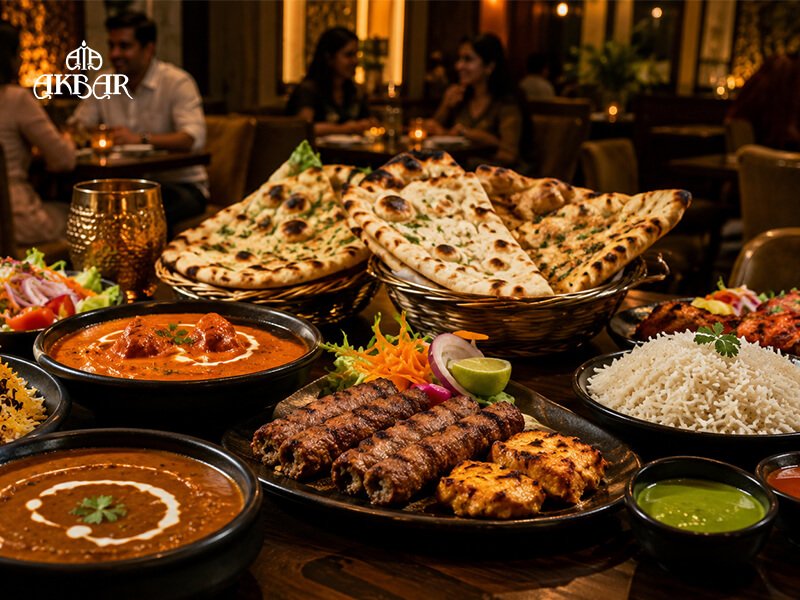
This is also why the experience of visiting a restaurant matters. You are not just eating food that was cooked using a certain method. You are enjoying it at the moment when its texture, aroma, and flavor are at their best.
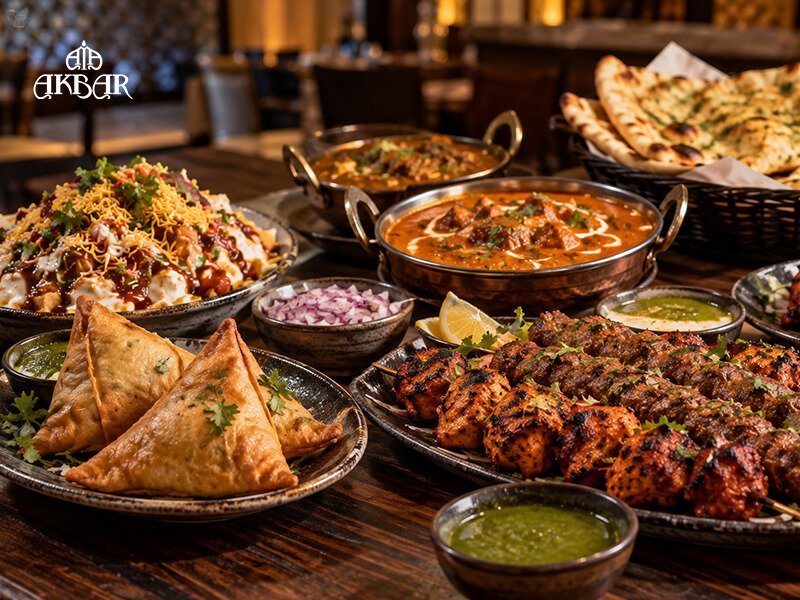
If you are looking for the flavors of traditional tandoor cooking, Akbar Restaurant brings the experience of Indian restaurant tandoor cooking to the Edison, NJ area. From flavorful tandoori dishes and grilled specialties to freshly prepared naan, the menu is designed to showcase the depth and character that come from traditional cooking techniques.
For anyone searching for indian restaurants in Edison, NJ or an indian restaurant near Edison, NJ, Akbar Restaurant is a place to enjoy carefully prepared Indian food in a welcoming setting. Come experience the smoky aromas, charred edges, tender textures, and rich spices that make authentic tandoor cooking so memorable.
Reservations or enquiries: Contact Akbar Restaurant