Have you ever ordered your favorite dish at a restaurant and noticed that it tastes just as good as the last time? That kind of consistency is not accidental.
When customers return to a restaurant, they usually expect a familiar experience. They want the same flavors, the same quality, and the same care that made them enjoy the dish in the first place. Whether it is a rich curry, freshly baked naan, flavorful biryani, or a simple appetizer, restaurant food consistency plays a major role in building customer trust.
Behind every consistently good dish is a combination of carefully developed recipes, trained kitchen staff, quality ingredients, and restaurant cooking standards that are followed every day.
People often return to a restaurant because they know what they are going to get.
If a customer loves a particular dish, they expect it to taste familiar the next time they order it. If the flavor changes significantly from one visit to another, it can affect their overall impression of the restaurant.
This is why consistent food quality is one of the most important parts of running a successful restaurant. Consistency does not mean that food has to be boring or identical in every tiny detail. It means maintaining the flavor, freshness, portion, texture, and overall quality that customers have come to expect.
For restaurants, that reliability can turn a first-time visitor into a regular customer.
One of the simplest answers to how restaurants maintain food quality is having recipes that are properly developed and tested.
Professional kitchens generally do not rely only on memory or guesswork. Recipes provide a clear understanding of ingredients, quantities, preparation methods, cooking times, and serving portions.
This is particularly important for dishes that contain several spices and ingredients. Even a small change in the amount of salt, spice, oil, or another key ingredient can affect the final flavor.
Well-documented recipes help create restaurant recipe consistency, allowing different members of the kitchen team to prepare the same dish according to the restaurant’s established method.
A recipe can be perfectly written, but the ingredients still matter.
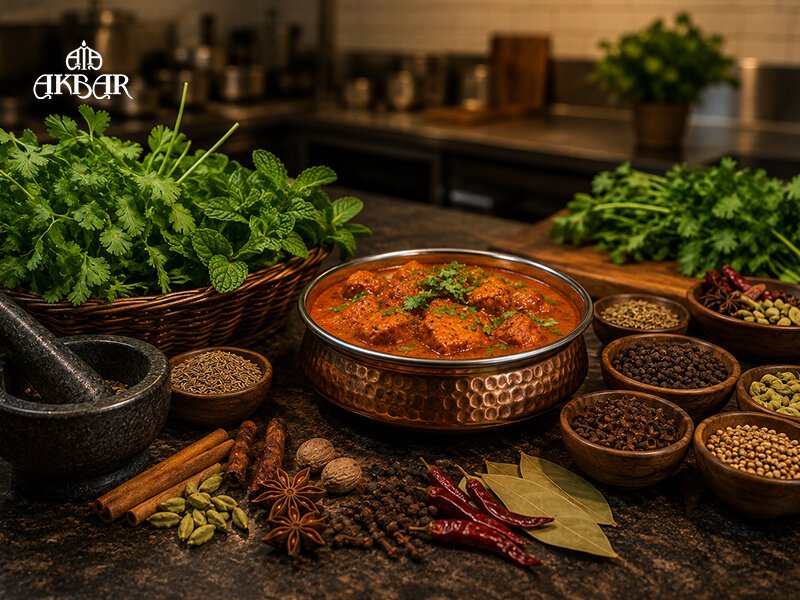
Fresh vegetables, good-quality spices, properly stored meats, fresh dairy products, and other ingredients can directly influence the final dish. Restaurants need to pay attention not only to what they purchase but also to how those ingredients are received, stored, prepared, and used.
For Indian cuisine in particular, spices and fresh ingredients can have a significant impact on aroma and flavor. Using reliable ingredients helps restaurants maintain restaurant food quality throughout the menu.
This is one reason professional kitchens pay close attention to their suppliers and ingredient storage practices.
Imagine ordering the same dish twice and receiving noticeably different amounts of sauce, rice, meat, or vegetables each time. Even if the recipe is technically the same, the experience can feel different.
Portion control helps maintain both the appearance and flavor balance of a dish.
Kitchen teams may use standardized serving tools, measurements, or established portion sizes to make sure every plate follows the restaurant’s expectations. This is another important part of food quality control in restaurants.
It also helps restaurants manage food costs while providing customers with a more reliable dining experience.
A busy restaurant kitchen can become extremely fast-paced, especially during lunch and dinner service. Without proper systems, it becomes much easier for small mistakes to happen.
That is where restaurant kitchen standards become important.
These standards can cover everything from food preparation and cooking temperatures to storage, sanitation, portioning, plating, and timing. When kitchen staff understand these expectations, it becomes easier to maintain restaurant cooking consistency, even during busy service hours.
Good systems also make it easier for new team members to understand how dishes should be prepared.
Recipes and kitchen guidelines are helpful, but people still need to know how to follow them.
Restaurant staff training is an important part of maintaining consistency. Chefs and kitchen team members need to understand not only what goes into a dish but also why certain preparation methods matter.
For example, cooking something for a few extra minutes can change its texture. Adding spices at the wrong stage can affect their aroma and flavor. Even the way ingredients are cut can influence how evenly they cook.
Ongoing training helps the team maintain the restaurant’s established methods and supports consistent taste in restaurants.
A restaurant cannot simply prepare food and assume everything is perfect.
Experienced kitchen teams understand the value of checking food during preparation and service. Depending on the dish, chefs may check seasoning, texture, aroma, appearance, and temperature before it reaches the customer.
These small checks can catch problems before they become part of someone’s dining experience.
This hands-on approach is an important part of maintaining consistent food quality and ensuring that the restaurant’s cooking standards are actually being followed.
Food consistency is not only about cooking.
How ingredients are stored and prepared can make a big difference. Ingredients need to be kept at appropriate temperatures and handled properly to preserve their freshness and quality.
Preparation schedules can also help kitchens manage ingredients efficiently. When certain components are prepared too early or stored incorrectly, their texture and flavor may change.
Proper storage, preparation, and handling are therefore essential parts of how restaurants maintain food quality every day.
There is an interesting balance in restaurant cooking.
Customers want their favorite dish to taste familiar, but they also appreciate food that feels freshly prepared rather than mass-produced. The goal is not to remove the human element from cooking. It is to create reliable systems that allow chefs to use their skills consistently.
A good kitchen provides its team with the right recipes, ingredients, standards, and training while still allowing experienced chefs to pay attention to the details that make a dish special.
That balance is at the heart of good restaurant food consistency.
When customers know they can return to a restaurant and enjoy the same quality they experienced before, they become more comfortable choosing it again.
Over time, consistency becomes part of the restaurant’s identity.
It can influence reviews, recommendations, repeat visits, and even what customers order when they bring friends or family. A customer who knows exactly what to expect from a favorite dish is more likely to recommend it to someone else.
For restaurants, maintaining restaurant recipe consistency is therefore not simply a kitchen responsibility. It is part of creating a dependable customer experience.
Customers see the finished plate, but they usually do not see everything that happens before it reaches the table.
They may not see the ingredients being checked, recipes being followed, portions being measured, kitchen temperatures being monitored, or chefs tasting and adjusting food during preparation.
That behind-the-scenes attention is what makes restaurant cooking standards meaningful.
When these processes work properly, the customer does not have to think about them. They simply enjoy a dish that tastes the way they remember it.
The best restaurants understand that consistency is not about making every meal feel mechanical. It is about respecting the food and respecting the expectations of the people who come through the door.
From choosing ingredients to preparing recipes and training kitchen teams, every small step contributes to the final experience.
That is why consistent taste in restaurants is rarely the result of one single technique. It comes from many small practices working together every day.
With Akbar Restaurant, we believe that great Indian food should be something you can look forward to every time you visit. From carefully prepared traditional dishes to the ingredients and cooking methods behind them, our focus is on delivering the quality and flavors our guests enjoy.
If you are looking for indian restaurants in Edison, NJ or an indian restaurant near Edison, NJ where you can enjoy flavorful Indian cuisine in a welcoming setting, we would love to have you join us.
For reservations or enquiries, please get in touch with Akbar Restaurant through our contact page