Trying an Indian restaurant for the first time can be exciting, but looking at the menu can also feel a little overwhelming. There may be unfamiliar dish names, different types of curries, regional specialties, breads, rice dishes, and a variety of spices you have never tried before.
The good news is that you do not need to know everything about Indian cuisine before placing your order. Once you understand the basic sections of an Indian Restaurant Menu, choosing your meal becomes much easier.
Whether you enjoy mild flavors, love something spicy, or simply want to discover something new, this Indian cuisine guide will help you understand what to order and how to enjoy your first Indian dining experience.
A great way to begin exploring an Indian food menu is with an appetizer. Indian appetizers are designed to introduce you to different textures, spices, and flavors without committing to a full entrée.
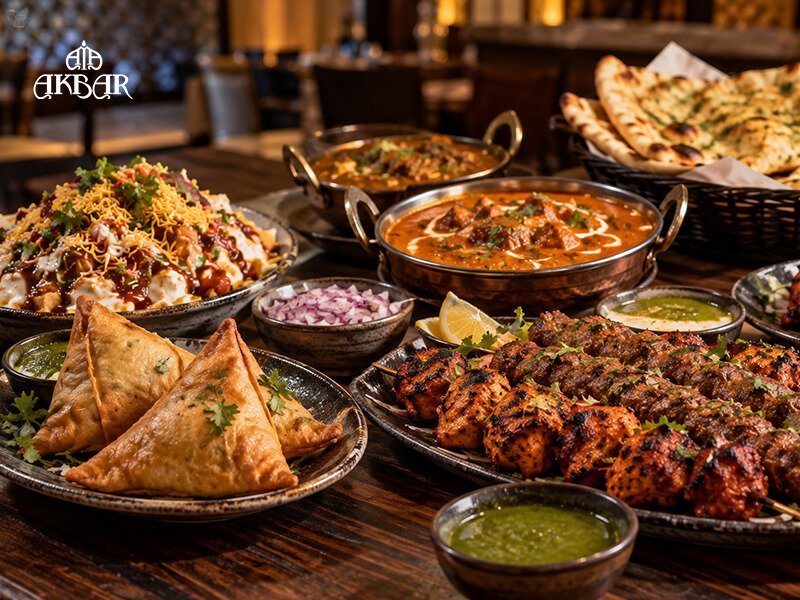
Samosas are one of the most popular choices for first-time diners. These crisp, triangular pastries are traditionally filled with seasoned potatoes and peas. They are often served with chutneys that add sweet, tangy, or spicy flavors.
Pakoras are another popular option. Vegetables or other ingredients are coated in a seasoned chickpea flour batter and fried until crisp. They are especially enjoyable when paired with chutney.
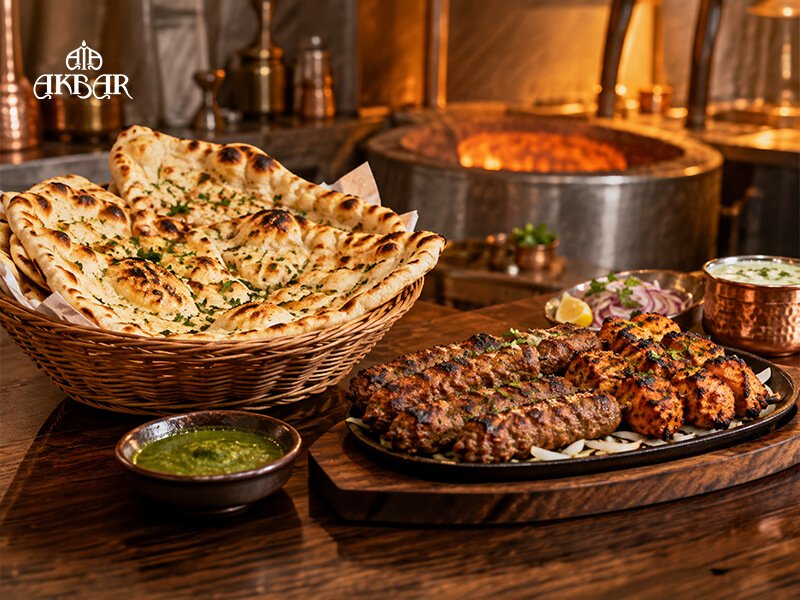
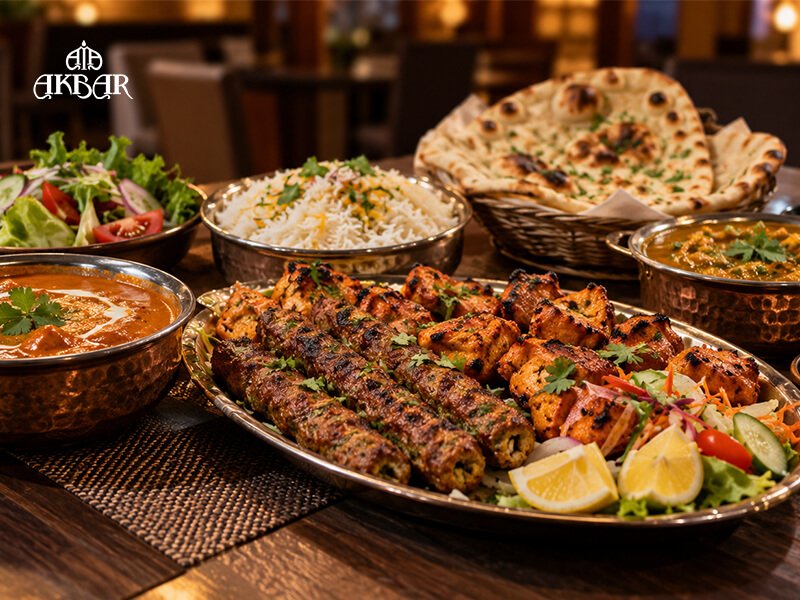
Tandoori appetizers are also worth considering. Chicken tikka, for example, consists of pieces of chicken marinated in yogurt and spices before being cooked in a traditional tandoor. The result is smoky, flavorful, and usually a great introduction to Indian cooking.
If you are looking for Indian food for first timers, sharing two or three appetizers is an easy way to sample different flavors.
The word “curry” can make Indian food sound like one particular type of dish, but Indian cuisine includes a huge variety of preparations.
Some curries are creamy and mild, while others are tomato-based, spicy, tangy, or rich with aromatic spices. The level of heat also varies from dish to dish.
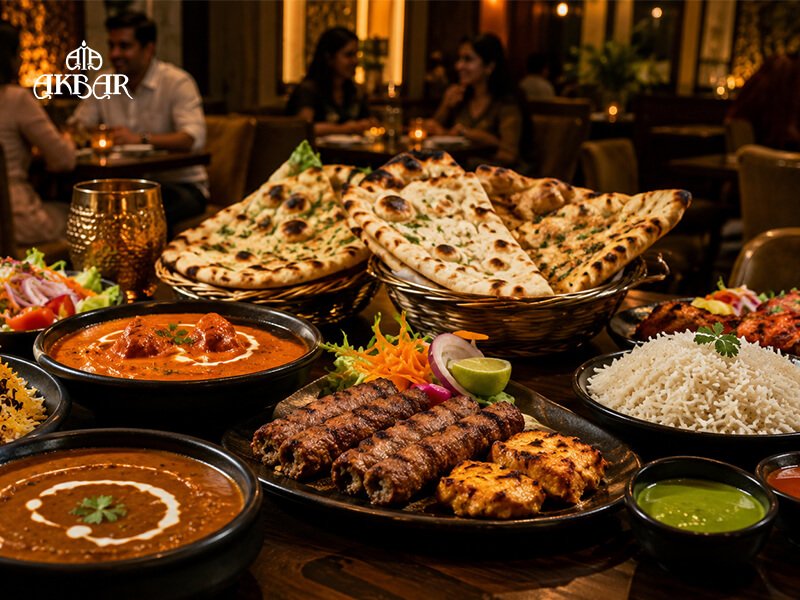
Butter chicken is often recommended among the best Indian dishes for beginners because it has a creamy tomato-based sauce with a balanced combination of spices. Chicken tikka masala is another familiar choice, especially for diners who prefer a rich, flavorful sauce.
For vegetarian diners, paneer dishes are an excellent starting point. Paneer is a soft Indian cheese that works particularly well with flavorful sauces. Paneer tikka masala and paneer makhani are examples of dishes that offer a satisfying introduction to Indian flavors.
If you are unsure about spice levels, do not hesitate to ask your server. A good restaurant can help you choose dishes based on your comfort level.
Indian breads are an important part of the dining experience and are often used to scoop up curries and sauces.
Naan is probably the most familiar option for someone new to Indian food. It is a soft, oven-baked flatbread that pairs beautifully with almost any curry. Garlic naan adds another layer of flavor and is a popular choice.
Roti is another traditional bread, usually lighter and less rich than naan. If you prefer something simple, roti can be an excellent accompaniment to your meal.
For a first visit, ordering one type of bread for the table is a simple way to experience how Indian breads complement the main dishes.
Rice is much more than a side dish in Indian cuisine. Different preparations can offer completely different experiences.
Basmati rice is fragrant and light and works well alongside rich curries. Biryani, on the other hand, is a complete rice-based dish prepared with aromatic spices and ingredients such as chicken, lamb, vegetables, or other proteins.
For many first-time diners, biryani quickly becomes one of their favorite popular Indian dishes because of its fragrant rice and layers of flavor.
If you are dining with friends or family, consider ordering a rice dish along with curries and breads so everyone can try a little of everything.
One of the biggest surprises for people new to Indian cuisine is just how extensive the vegetarian selection can be.
Indian cooking uses vegetables, lentils, beans, paneer, and other ingredients in creative ways. Dal, for example, is made with lentils and is comforting, flavorful, and available in many regional styles.
Chana masala, made with chickpeas and aromatic spices, is another flavorful option. Vegetable curries can also introduce you to ingredients and spice combinations that may not appear in everyday meals.
You do not have to be vegetarian to enjoy vegetarian Indian restaurant dishes. In fact, ordering one vegetarian dish alongside a meat-based entrée is one of the easiest ways to explore more of the menu.
Indian food is known around the world for its spices, but spicy does not always mean extremely hot.
Spices such as cumin, coriander, turmeric, cardamom, cinnamon, cloves, and garam masala contribute aroma and depth. Chili is only one part of the overall flavor profile.
If you are sensitive to heat, tell your server that you prefer mild food. If you enjoy spicy dishes, you can ask for recommendations with more heat.
The important thing is to distinguish between spice and heat. A dish can be intensely flavorful without being overwhelmingly hot.
If you are completely new to Indian cuisine, you do not need to order several unfamiliar dishes at once.
A simple meal could include one appetizer, one entrée, rice or bread, and a side to share.
For example, you might start with samosas, choose butter chicken or a paneer dish as your entrée, add garlic naan, and share a rice dish with the table.
This gives you different textures and flavors without making the meal unnecessarily complicated.
As you become more comfortable with the menu, you can begin trying regional specialties and dishes that are less familiar.
If you are searching for must-try Indian food, there are plenty of classics to put on your list.
Some popular choices include:
These are only starting points. Indian cuisine varies significantly across regions, so there is always something new to discover.
Dessert is an important part of the experience and gives you another opportunity to explore Indian flavors.
Gulab jamun is a popular choice. These small, soft sweets are traditionally made from milk solids and served in a sweet syrup.
Other desserts may feature ingredients such as cardamom, saffron, pistachios, almonds, or rose.
If you have enjoyed a flavorful or spicy meal, finishing with something sweet can provide a satisfying contrast.
If you are searching for indian restaurants in Edison, NJ or an indian restaurant near Edison, NJ, consider looking beyond the most familiar dishes.
A good Indian restaurant should make it comfortable for first-time diners to ask questions and discover new flavors. You can always ask about spice levels, ingredients, portion sizes, and recommendations based on your preferences.
Indian dining is not about knowing the menu perfectly. It is about being willing to try something different and finding flavors you genuinely enjoy.
If you are ready to put this Indian Restaurant Menu guide into practice, Akbar Restaurant is a great place to explore the depth and variety of Indian cuisine. From flavorful appetizers and tandoori specialties to rich curries, aromatic rice dishes, fresh breads, and desserts, there is something to suit both newcomers and longtime Indian food lovers.
Whether you are visiting with family, meeting friends, or simply looking to try Indian food for the first time, take your time, ask about the dishes, and let your meal become part of the experience.
For reservations or enquiries, visit the Akbar Restaurant Contact Page and plan your next Indian dining experience.