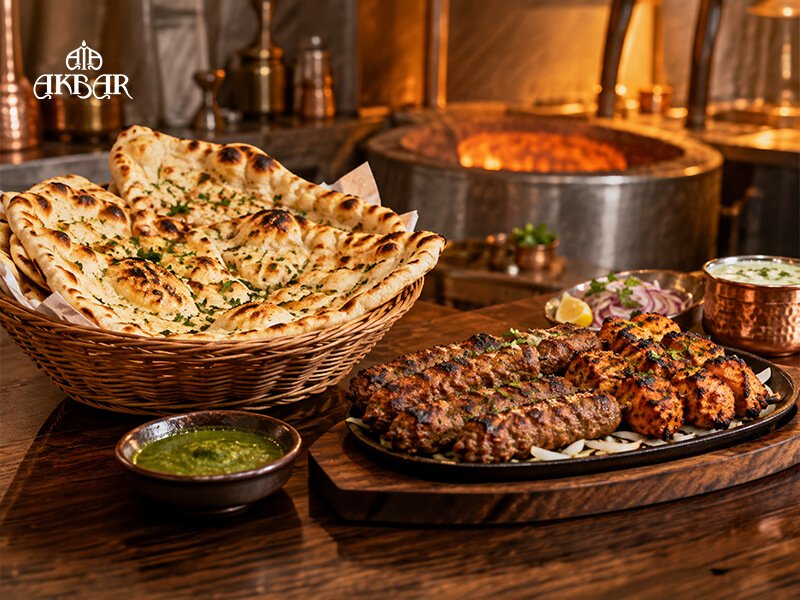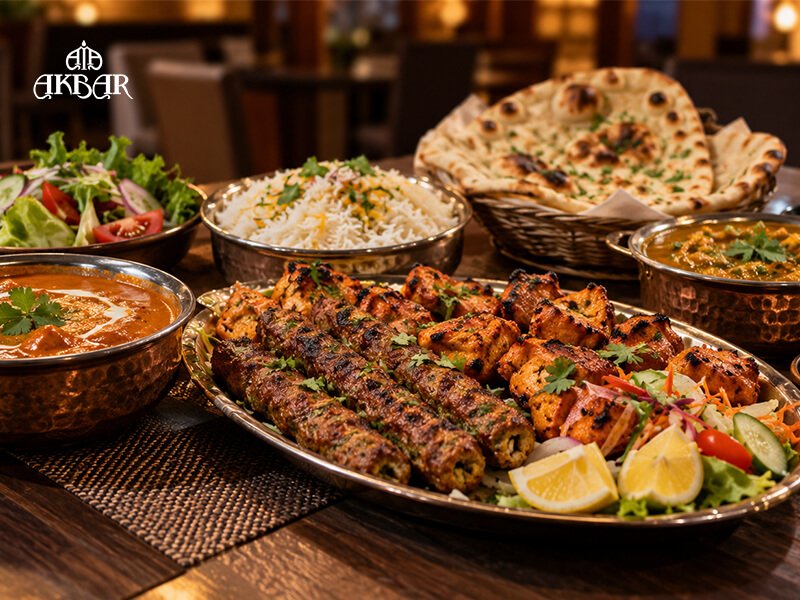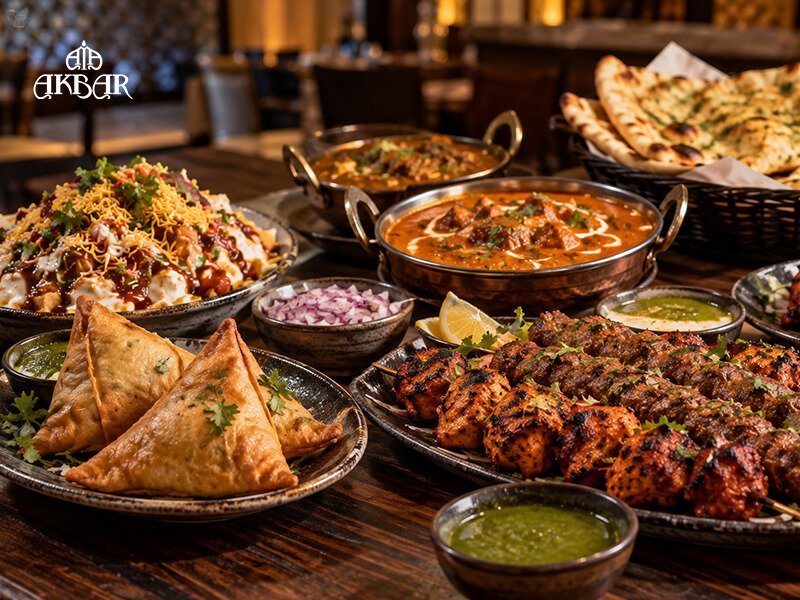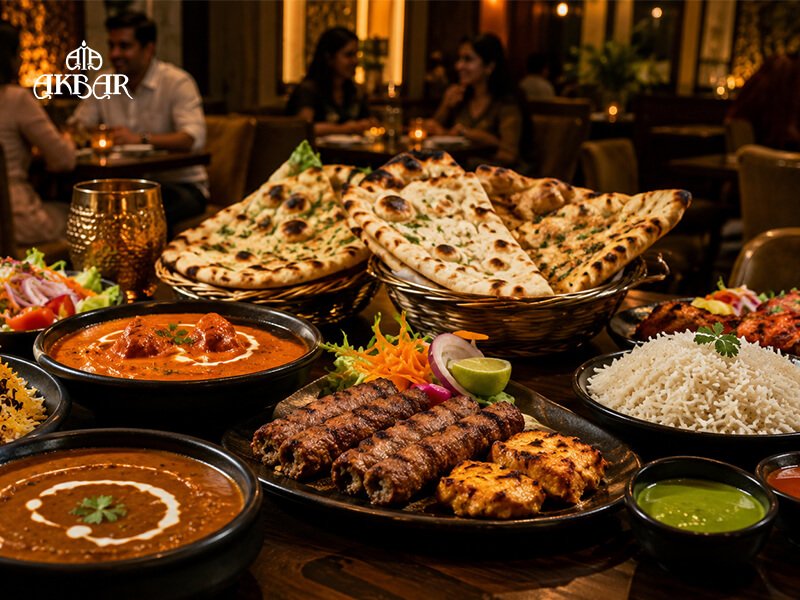
There is something special about food cooked in a tandoor. The moment a plate of freshly grilled chicken, naan, kebabs, or vegetables reaches the table, you can usually tell that it was cooked differently. There is a gentle smokiness, a slightly charred edge, and a depth of flavor that is difficult to recreate in an ordinary oven or pan.
That is what makes tandoori dishes so popular. They are not simply grilled foods with a different name. The cooking method, high heat, traditional ingredients, and the tandoor itself all play a role in creating their distinctive taste.
For anyone who enjoys tandoori food, understanding how it is prepared makes the experience even more enjoyable.
The history of tandoori dishes is closely connected to the traditional clay ovens used across the Indian subcontinent and other parts of South and Central Asia. The tandoor has been used for generations to cook breads, meats, vegetables, and other foods at very high temperatures.
Over time, tandoor cooking became an important part of Indian cuisine. Different regions developed their own marinades, spices, and ways of preparing ingredients before placing them inside the oven.
The tandoor itself is an important part of the story. Traditionally made from clay, it can reach extremely high temperatures. Food is cooked close to the intense heat, often with skewers or by placing dough directly against the hot inner wall.
This combination of traditional preparation and intense heat is what gives traditional tandoori cooking its character.
A regular oven generally surrounds food with hot air and cooks it gradually. A tandoor works differently.
The intense heat inside a tandoor cooks food quickly while also exposing it to direct radiant heat. When marinaded meat or vegetables are placed inside, the outside can develop a beautifully charred surface while the inside remains tender.
The clay walls also help retain heat. This creates the conditions needed for authentic tandoori cooking techniques that have been used for generations.
There is also the effect of smoke and char. As juices, marinades, and natural fats come into contact with the intense heat, they contribute to the characteristic smoky tandoori flavor that people recognize immediately.
The smoky flavor is one of the biggest reasons people love tandoor-grilled food.
When food cooks at very high temperatures, its surface begins to brown and char. This process creates complex flavors that are quite different from slow cooking or boiling. The marinade also caramelizes and develops a slightly roasted taste.
The result is not necessarily an overpowering smoky flavor. Good tandoori food has a balance of char, spice, tenderness, and the natural flavor of the main ingredient.
That balance is one of the things that makes properly prepared tandoori dishes so satisfying.
A tandoor can provide the heat, but the marinade gives the food much of its personality.
Traditional marinades often combine yogurt with spices, herbs, ginger, garlic, lemon, and other ingredients. Depending on the dish, the seasoning can be mild and aromatic or bold and spicy.
The marinade also helps keep meat tender while it cooks at high temperatures. This is particularly important because tandoor cooking is fast. The goal is to develop a flavorful exterior without drying out the inside.
This is why preparation is just as important as the cooking itself when creating authentic tandoori flavors.
High heat does not automatically guarantee good food. Tandoor cooking requires attention to timing.
A skilled cook needs to understand how hot the tandoor is, how large the pieces of food are, how long they have been marinated, and how quickly they are cooking.
Chicken, lamb, seafood, paneer, and vegetables all behave differently in a tandoor. A piece that needs a few extra minutes can quickly go from beautifully charred to overcooked because of the intense heat.
That attention to timing is an important part of traditional tandoor cooking.
Tandoori chicken may be one of the best-known examples, but the world of tandoori dishes is much bigger.
Paneer, fish, lamb, shrimp, mushrooms, vegetables, and kebabs can all be prepared using a tandoor. Breads such as naan are also traditionally associated with this style of cooking.
Each ingredient responds differently to the heat, which allows chefs to create a wide variety of dishes while still using the same basic cooking method.
For many people, this variety is part of the fun of ordering tandoori food at an Indian restaurant.
Tandoori dishes are best enjoyed soon after they come out of the tandoor.
That is when the exterior is still warm and slightly crisp, the center is tender, and the aroma of the spices and char is at its strongest. You can often hear the gentle sizzle when a freshly cooked dish arrives at the table.
Serving also matters. A little lemon, fresh herbs, onions, chutney, or a cooling yogurt-based accompaniment can bring out different elements of the dish.
The experience is as much about aroma and texture as it is about taste.
What makes traditional clay oven cooking interesting is that it has remained relevant even as modern kitchens have changed.
Restaurants today have access to advanced equipment and modern cooking techniques, but the tandoor continues to have a place because it produces something unique. Its high heat, clay walls, open cooking environment, and traditional preparation create flavors that are difficult to duplicate.
That is why the tandoor is more than just a piece of kitchen equipment. It represents a cooking tradition that has been passed down through generations.
If you are looking for Indian food where traditional flavors and fresh preparation come together, Akbar Restaurant is a great place to enjoy the experience. From flavorful grilled specialties to classic Indian favorites, our menu brings together the warmth and character that make Indian cuisine so enjoyable.
Whether you are craving tandoori food, ordering a selection to share with family and friends, or simply want to experience the smoky character of food cooked in a traditional tandoor, we invite you to visit Akbar Restaurant in Edison, NJ.
For reservations or enquiries, please visit our contact page and get in touch with our team.